

Fight For Health & Safety
The fight for safe working conditions was paramount in the early efforts of postal workers to organizing into unions. Union campaigns won the establishment of OSHA in 1971 to oversee workplace safety. Its provisions have given postal workers additional tools in fighting for health and safety through OSHA inspections and complaints.
Numerous safety violations have plagued the workroom floor. New Jersey postal worker Michael McDermott died on December 16, 1979 in an accident where management had removed a machine’s safety guards.
Carpel Tunnel Syndrome and other repetitive-motion conditions crippled tens of thousands of workers when the USPS refused to use ergonomically designed machines and implement proper worker rotations.
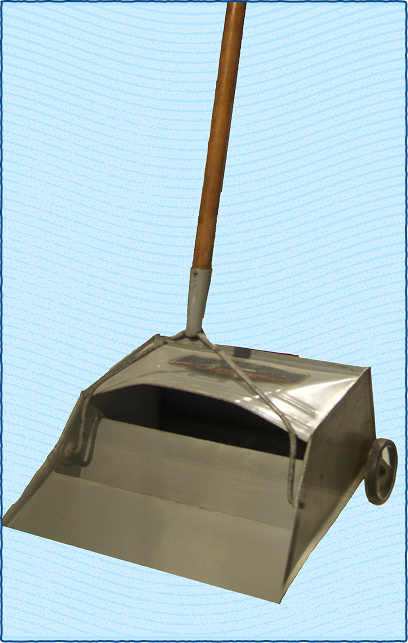
Long-Handle Dustpan
Long-handle dustpans like this were used by postal custodial workers in the 1930s and 1940s. In the decades before the Great Postal Strike, African-Americans were relegated to so-called “dirty jobs” like custodians, often receiving less pay.
United States Postal Service



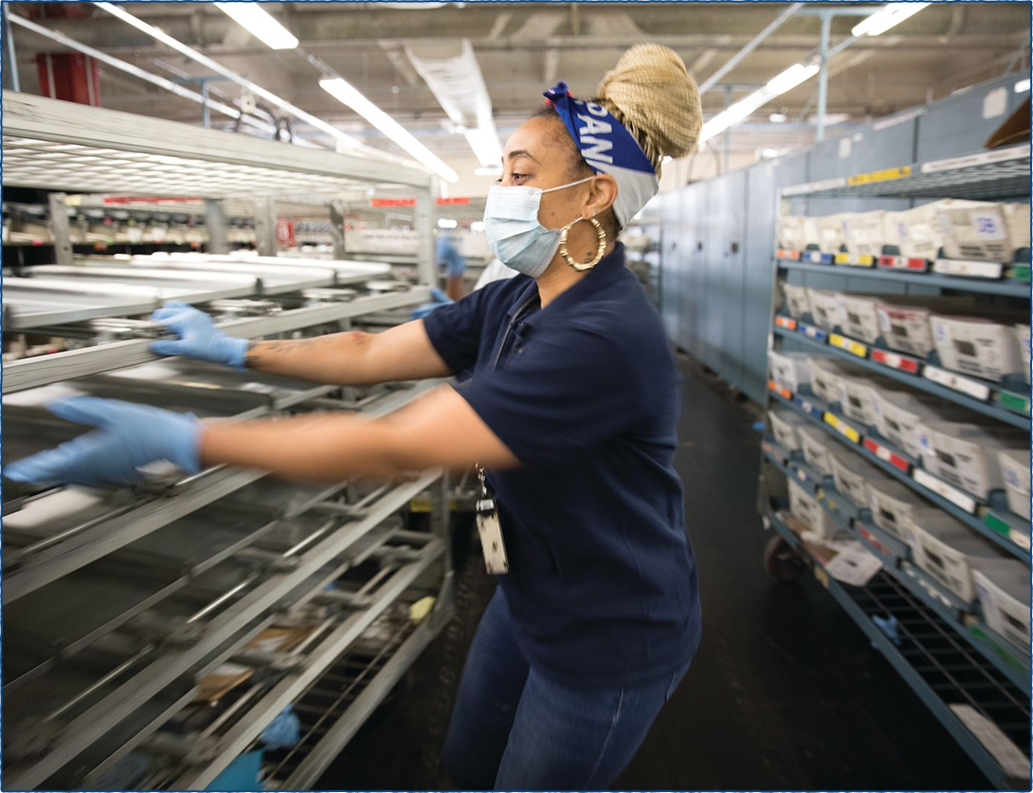
Facemask
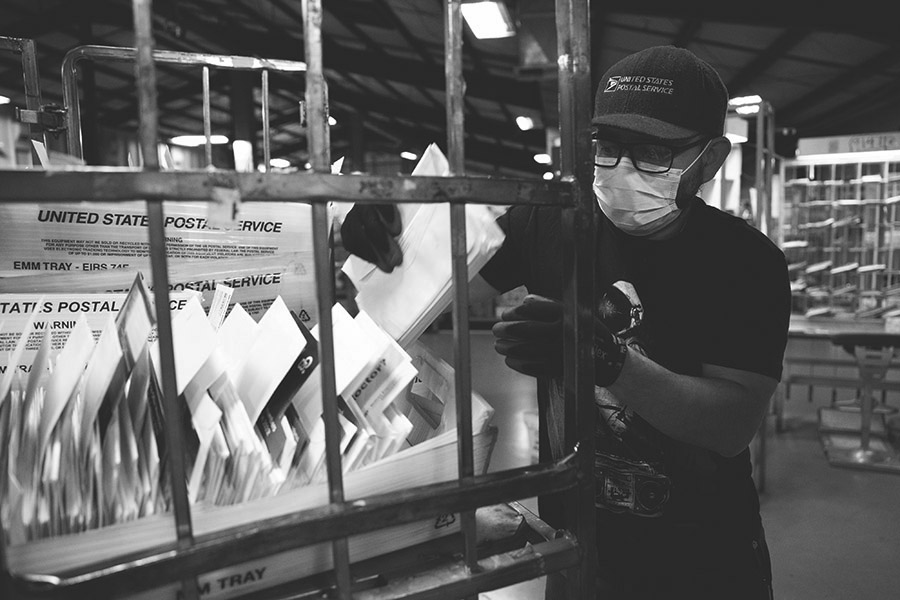
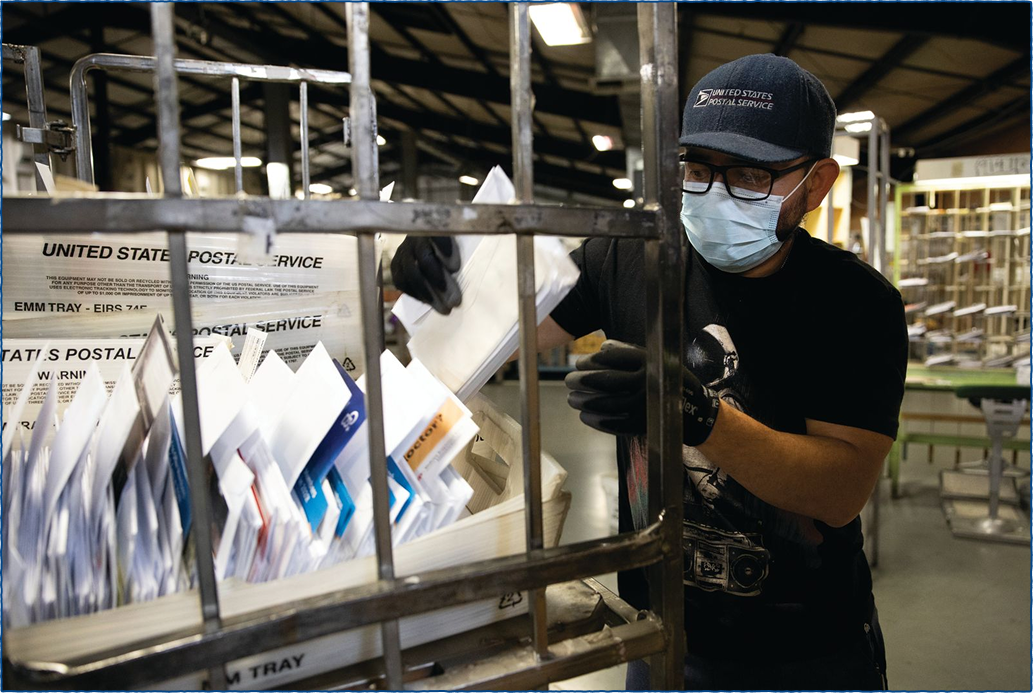
COVID-19 had an adverse impact upon postal workers and postal operations. The postal unions worked together and negotiated with management to ensure strong safety protocols such as social distancing, mask wearing, and contactless services were implemented to keep workers safe.

Worker Safety
APWU ensures that management implements safety programs and policies that protect workers, reviews new equipment for ergonomics and security, and keeps track of the latest developments that affect postal workers’ health and well-being.
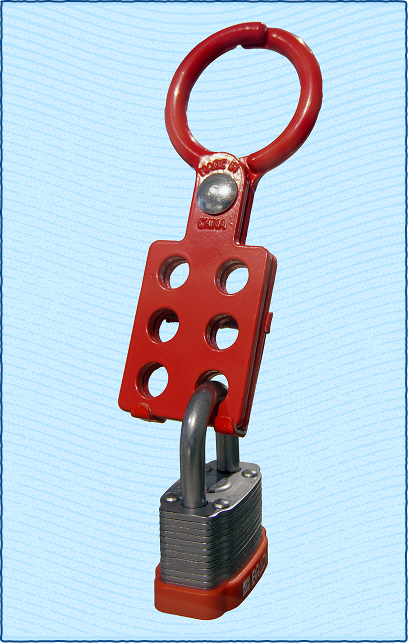
Safety First
Lockout-tagout equipment like this is essential to ensuring maintenance employees are safe when working on sorting machines or electrical equipment.
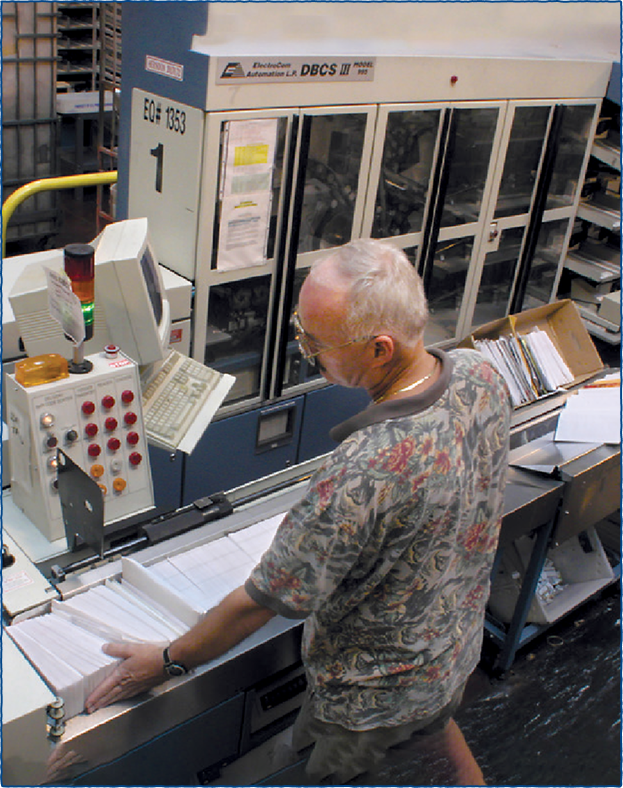
In addition to the safety problems caused by the advent of mechanization and automation, postal workers often performed work in more isolated conditions, undermining worker unity.
Changing Work, New Challenges
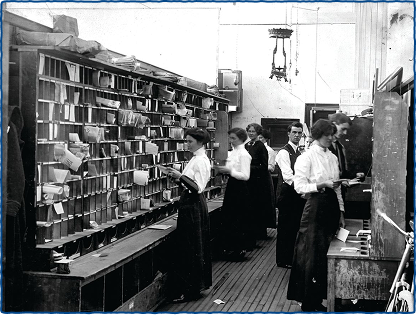
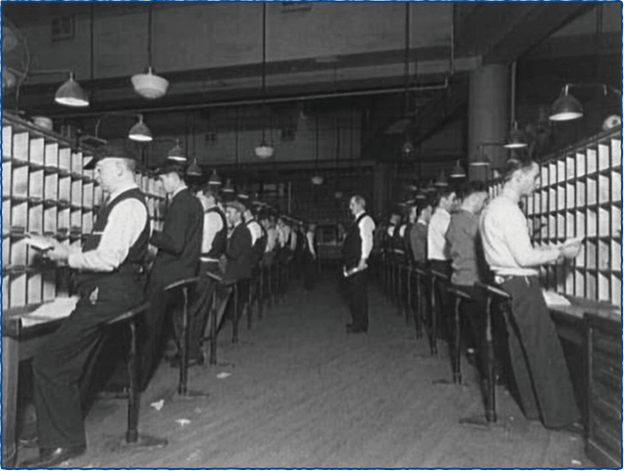
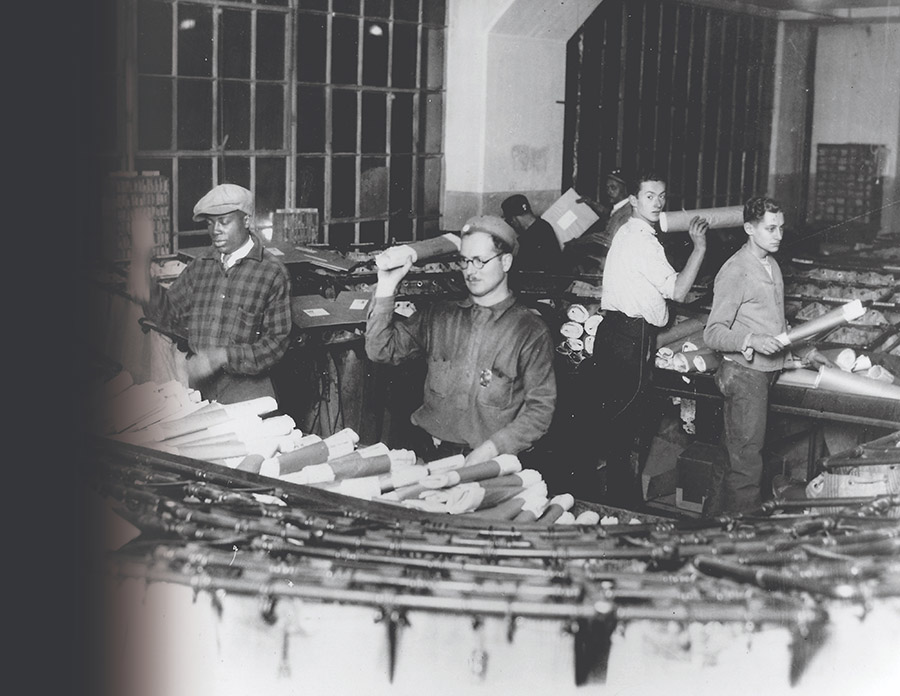
Postal operations remained mostly performed by manual labor until the 1960s when significant technological changes were introduced. Multi-Position Letter Sorting Machines (MPLSMs) became widespread, reducing manual mail sortation.
These machines were later replaces by Optical Character Readers and Bar Code Sorters plus Delivery Bar Code Sorters (DBCS). Similar technological changes were implemented to sort flat mail and parcels, as well as “mark-up” operations for forwarding mail.
These technological changes significantly impacted the workforce. They increased skilled maintenance work to maintain the machinery, while decreasing the number of clerks required to process letters and flats. At its peak, the APWU represented over 320,000 postal workers, but by 2021 membership had declined to less than 200,000.
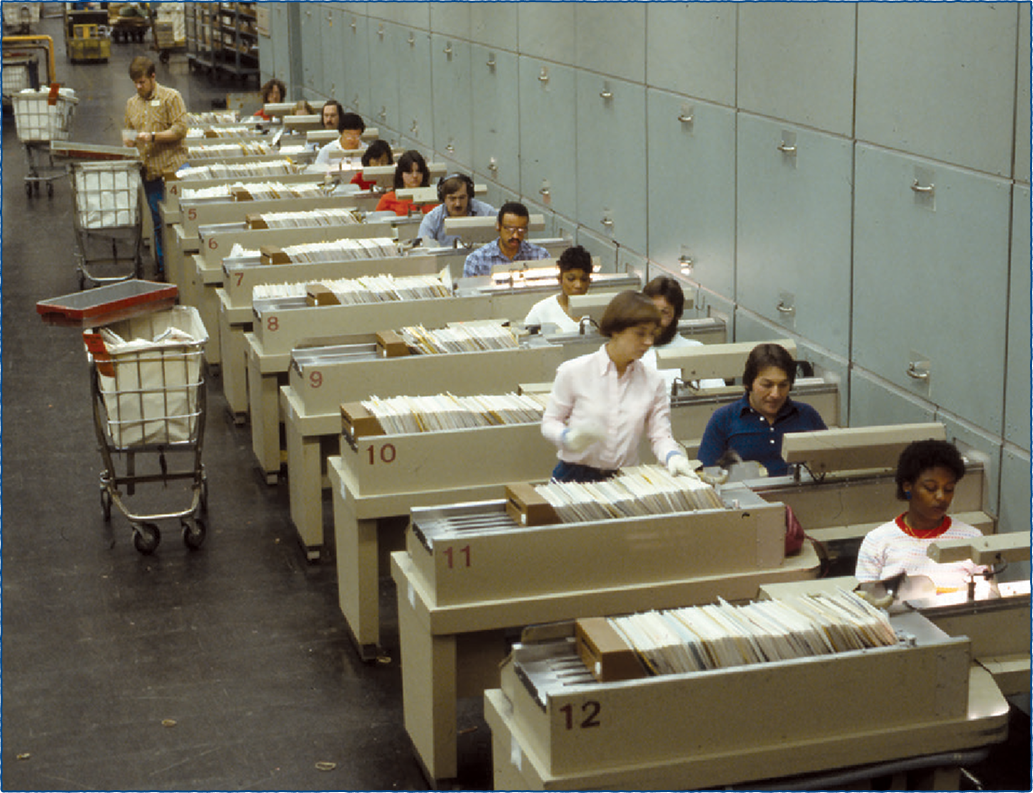
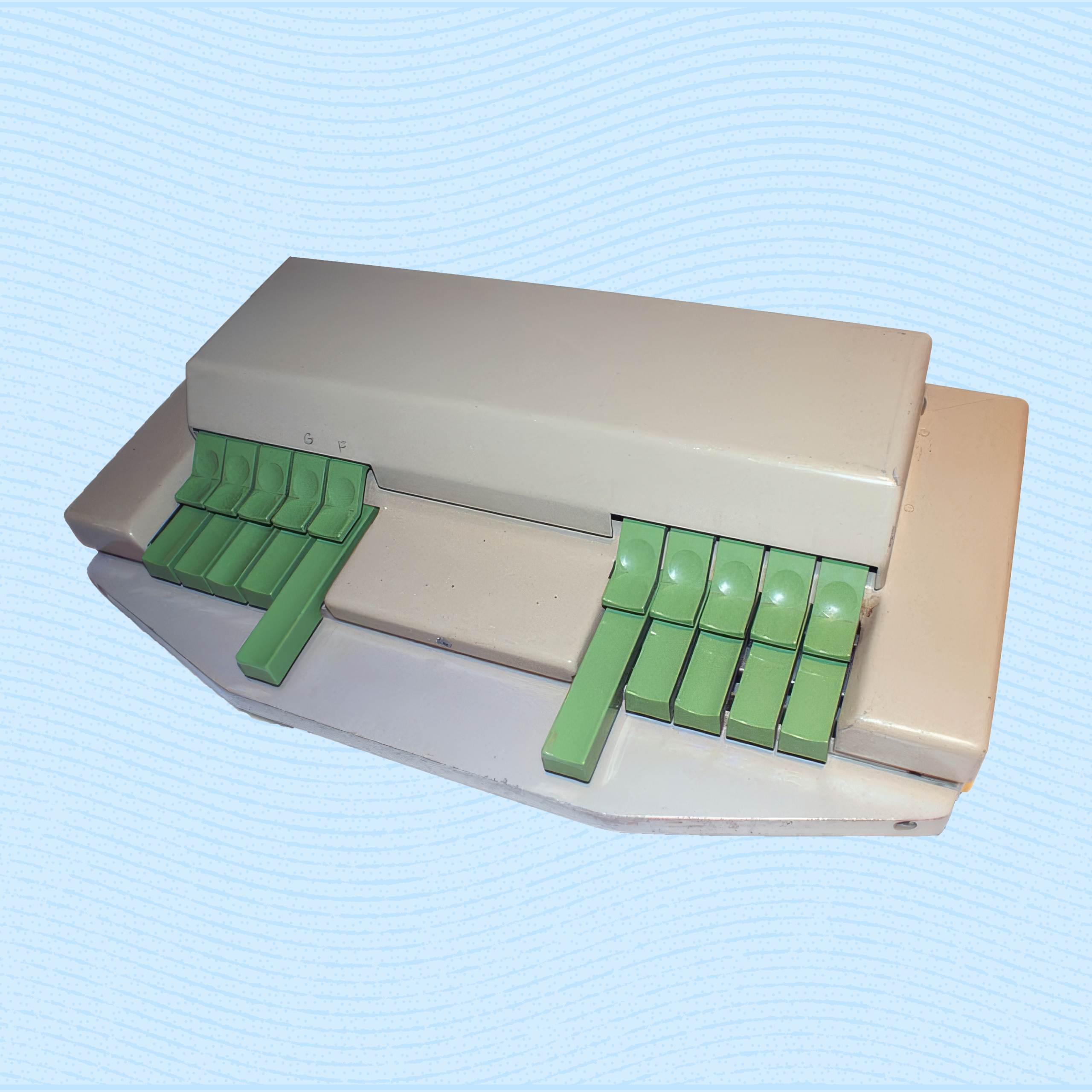
Multi-Position Letter Sorting Machine (MPLSM) Keyboard
Clerks work on the MPLSM from the 1950s until the 1990s, sorting 60 letters a minute for outgoing mail and 50 a minute for incoming mail.
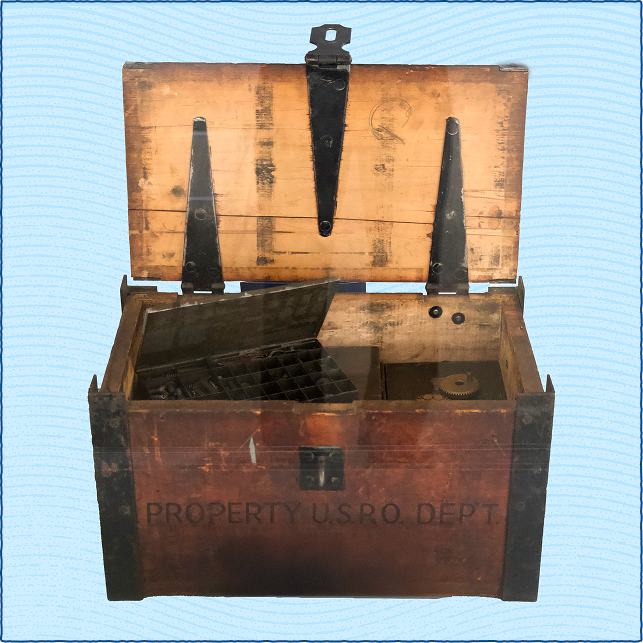
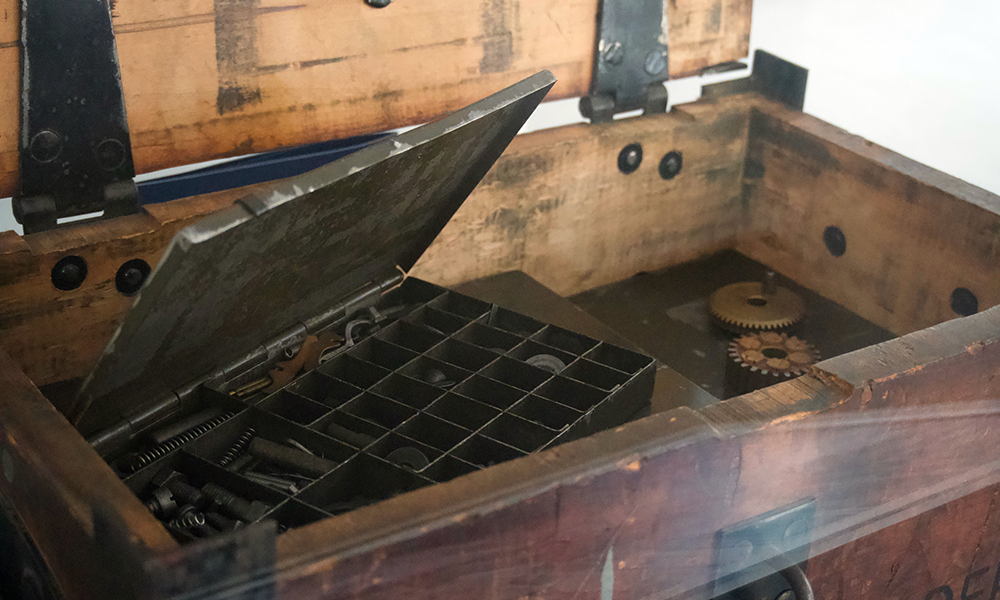
Parts Box
The Post Office Department began buying cancelling machines in the first decade of the 1900s, requiring postal workers to make repairs using parts in boxes such as this.