
Growth of the Unions
United Federation of Postal Clerks
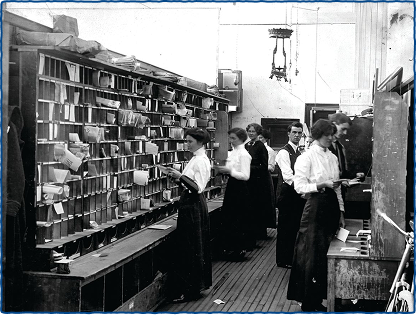
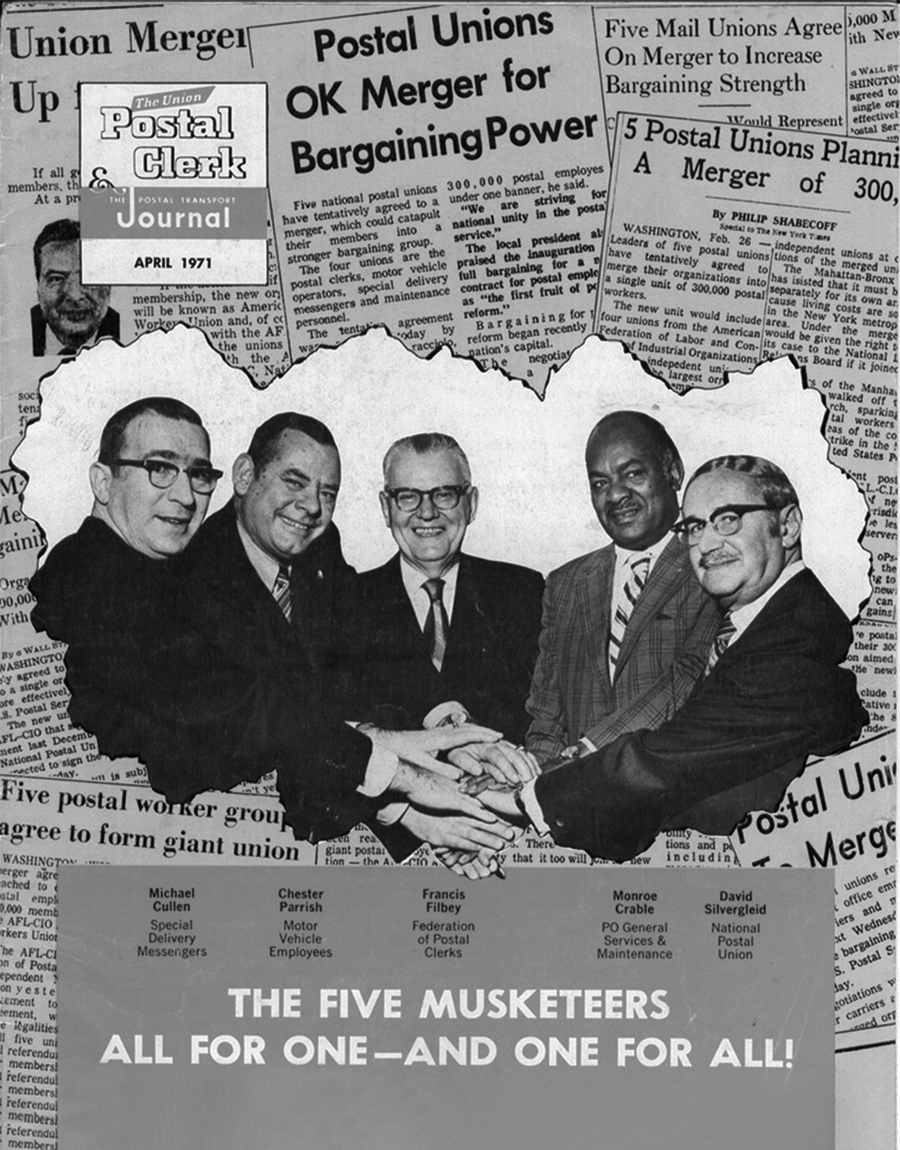
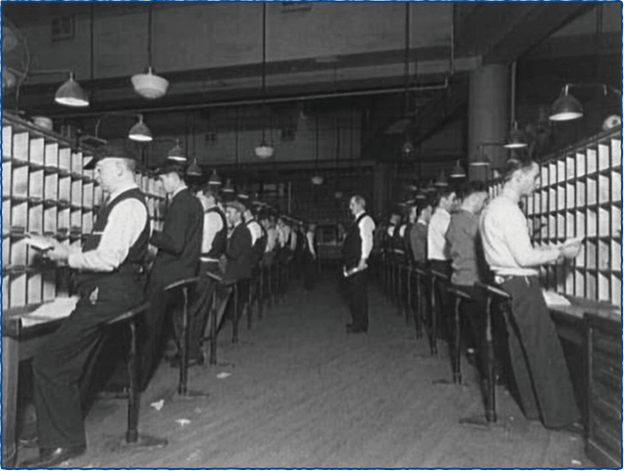
In 1961, the United Federation of Postal Clerks (UFPC) was formed by the merger of the National Federation of Post Office Clerks, chartered in 1906, and the United National Association of Post Office Craftsmen, founded in 1882, and the National Postal Transport Association, which first organized postal railway clerks in 1898.
The merger brought an end to competition among AFL-CIO affiliates representing postal clerks, and with 130,000 members, became the largest public-sector union in the labor federation at the time.
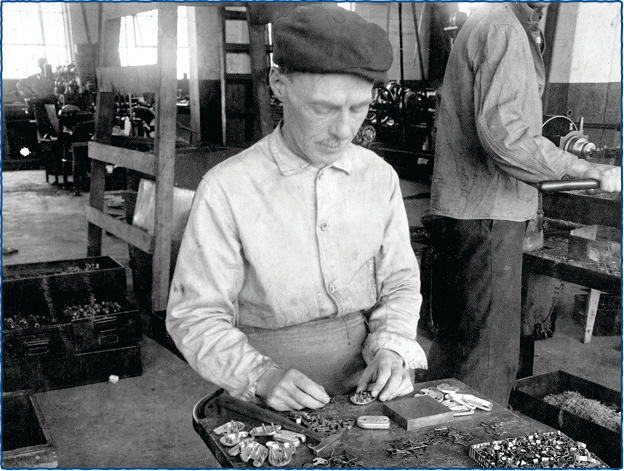
National Association of Post Office & General Service Maintenance Employees
In 1937, the National Association of Post Office and General Service Maintenance Employees was charted. In 1945 they became the National Post Office Mechanics and Maintenance Employees, opening a full-time office in Washington, D.C.
In 1938 the National Association of Post Offic Custodial Employees formed. By 1948, these unions agreed to merge, becoming the National Association of Post Office Maintenance Employees.
At their 1950 National Convention, membership was extended to maintenance employees of the Public Building Services of the General Services Administration and the union became the National Association of Post Office and General Service Maintenance Employees.
The organization affiliated with the American Federation of Labor and the Congress of Industrial Organizations (AFL-CIO) in April 1966
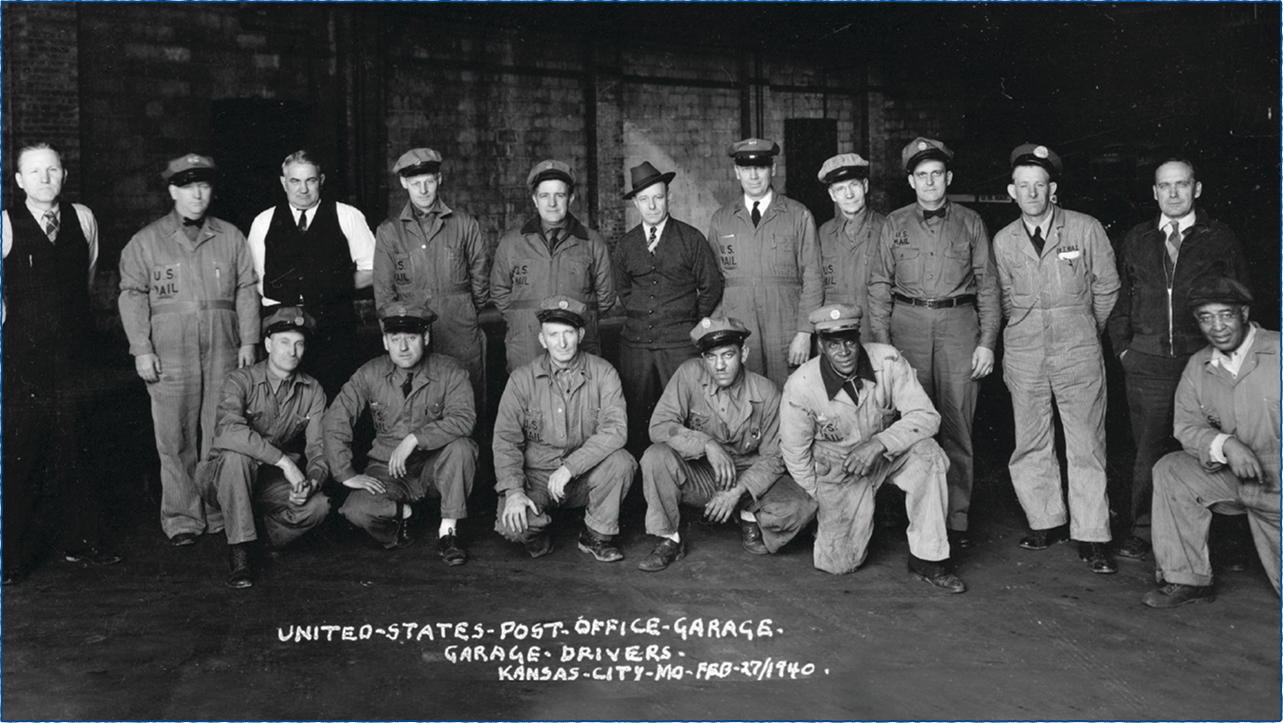
National Federation of Motor Vehicle Employees
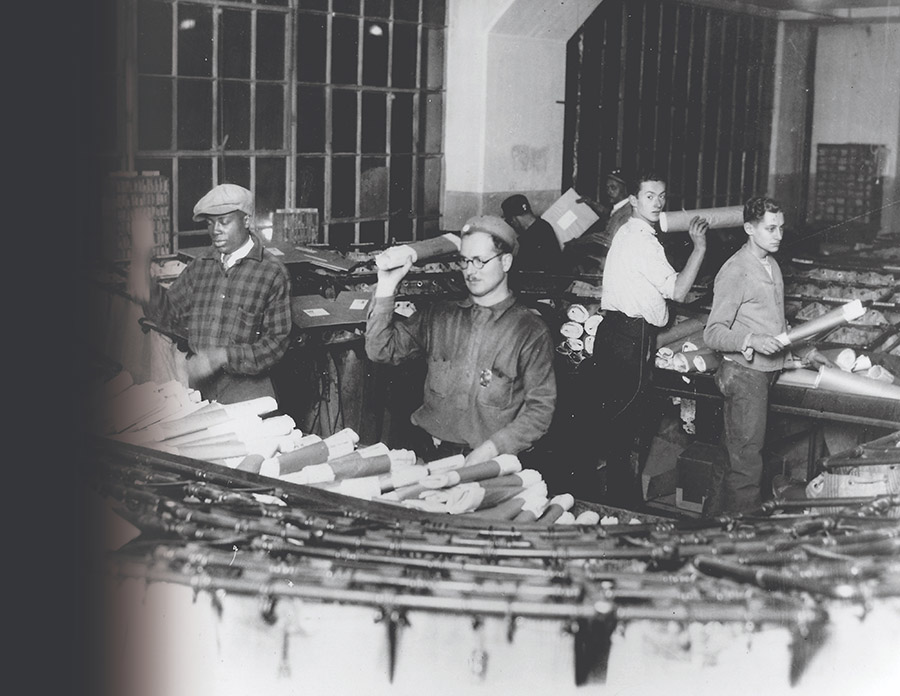
Early organizing was based on crafts and at times unions were segregated – which divided and weakened workers.
The Railway Mail Mutual Benefit Association, was formed in 1874 to provide white postal clerks Within low-cost life insurance and to advocate for better working conditions. It eventually became the Railway Mail Clerks Association.
In 1906 various clerk locals formed the National Federation of Post Office Clerks, affiliated with the American Federation of Labor. To thwart unionization, the Post Office Department prohibited workers from joining the AFL and prosecuted postal workers who resigned their positions in protest of poor working conditions.
In an effort to forestall worker revolts, the Post Office Department increased clerks’ pay by 8-percent in 1912. This was a paltry sum after decades of frozen wages.
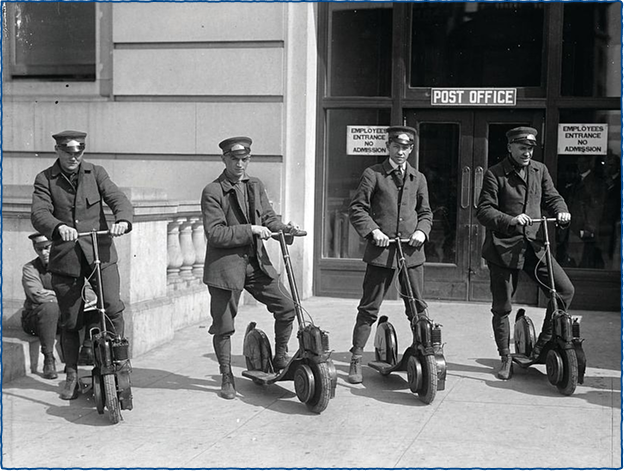
National Association of Special Delivery Messengers
Originally, Special Delivery Messengers were contract employees at local post offices. In 1932, as man postal jobs were being cut, the National Association of Special Delivery Messengers was formed to protect special delivery workers’ jobs.
The National Association of Special Delivery Messengers was chartered by the AFL in 1937.
There were 2,500 postal employees in the National Association of Special Delivery Messengers at the time of the merger forming the APWU in 1971.
Initially a craft division in APWU, the Special Delivery Messengers Craft merged with the Clerk Craft Division in 1997.
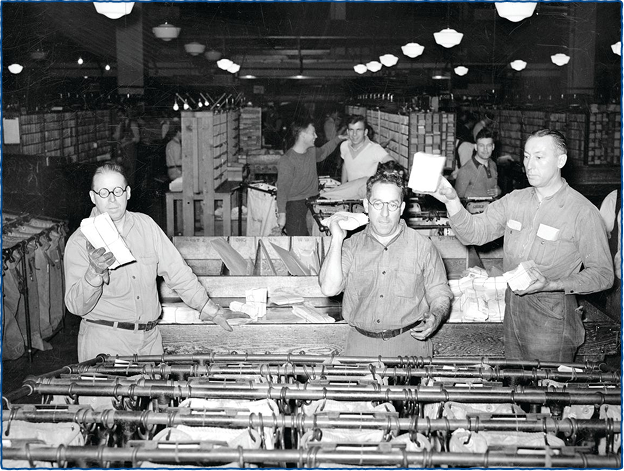
National Postal Union
The National Postal Union was born from the Progressives Feds’, struggle for union democracy, one postal union, and the desegregation of the unions within the National Federation of Post Office Clerks (NFPOC).
Led by John McKay, the “Feds” organized a walkout of one-third of the 1958 NFPOC convention in support of the Progressives’ demands.
Locals were suspended, and in 1960 formed the National Postal Union. McKay was elected their first president.
The NPU’s democratic principles were included in the Constitution of the APWU.
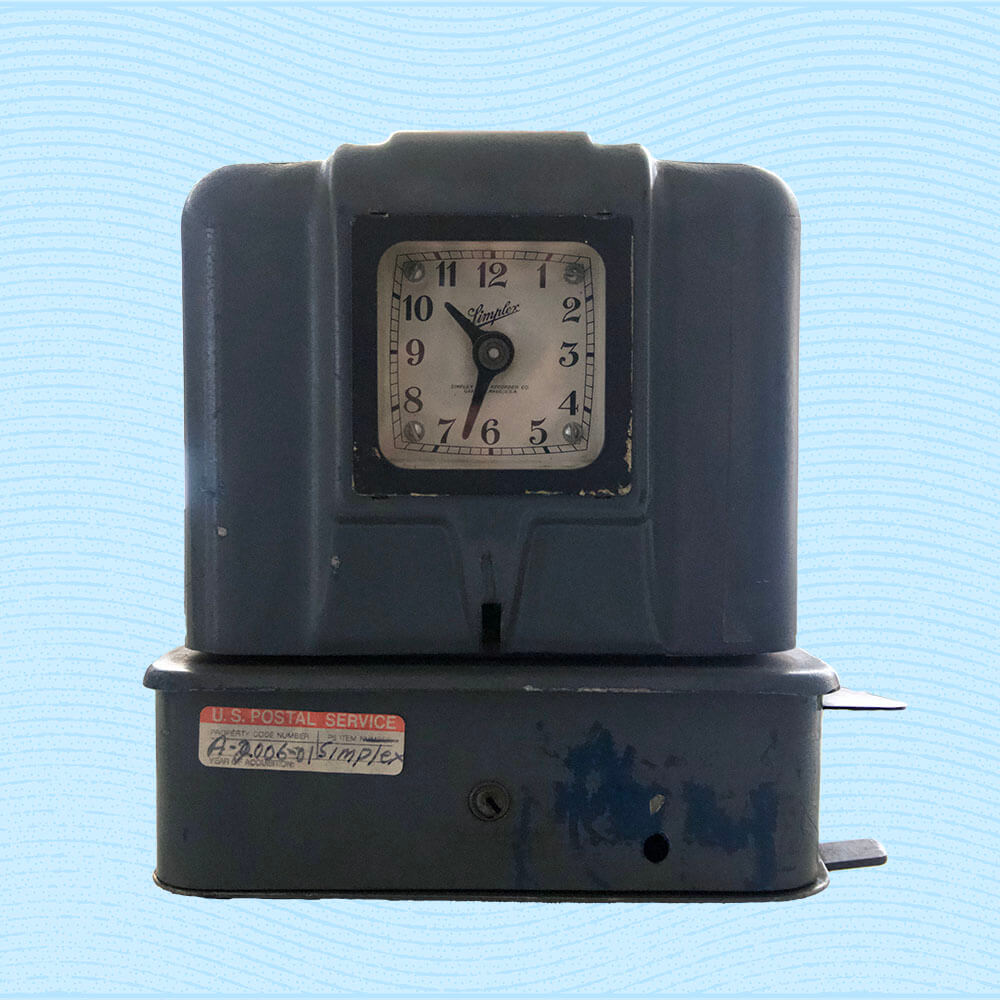
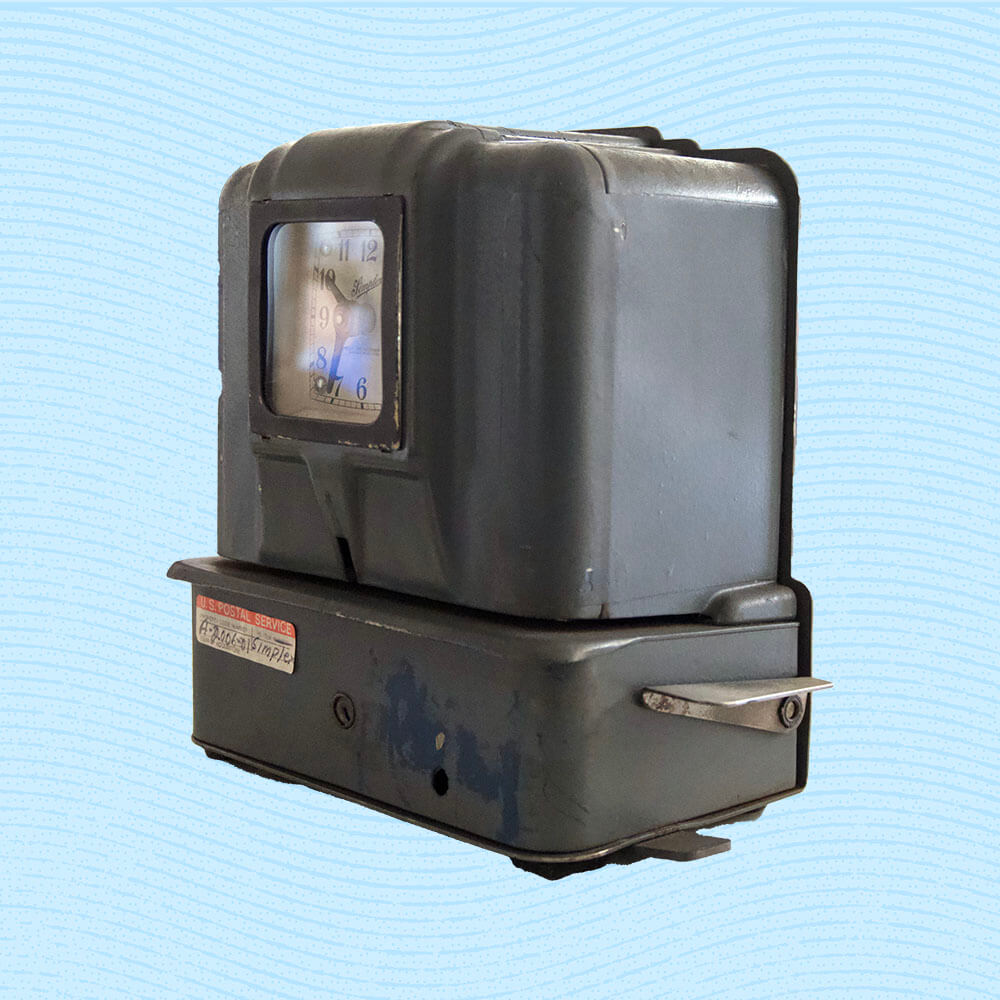
The “Swing” Room
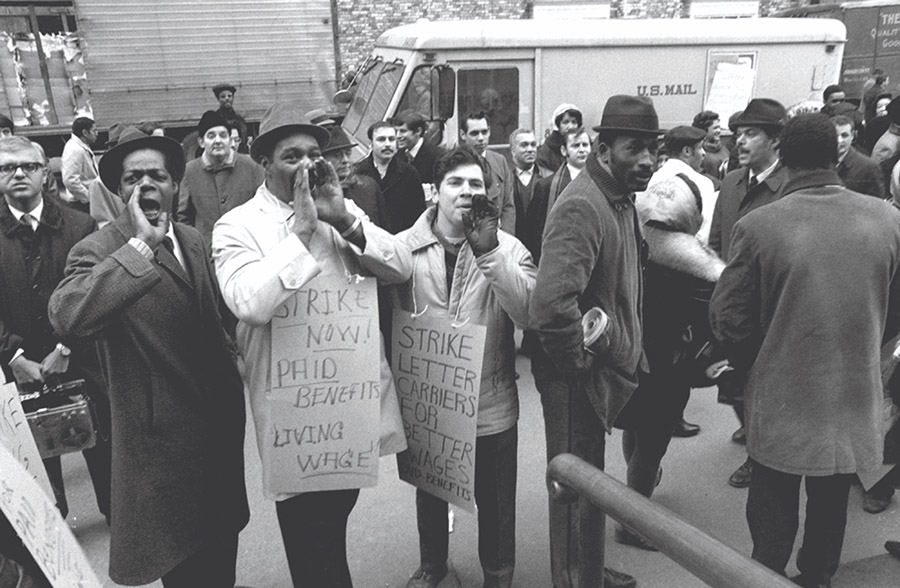
The right of management to place workers into a non-pay status when mail was light was one of the festering issues that led to the Great Postal Strike of 1970.
If not immediately needed, management could force a worker to “clock out” and “swing” them to wait without pay in the break room until more mail arrived, at which point workers would be placed back into a pay status.
This process stretched a typical eight-hour day into 12 or 14 hours, and time clocks like this one became emblematic of the exploitation of postal workers. Postal breakrooms, even to this day, are often known as “swing rooms.”
United States Postal Service
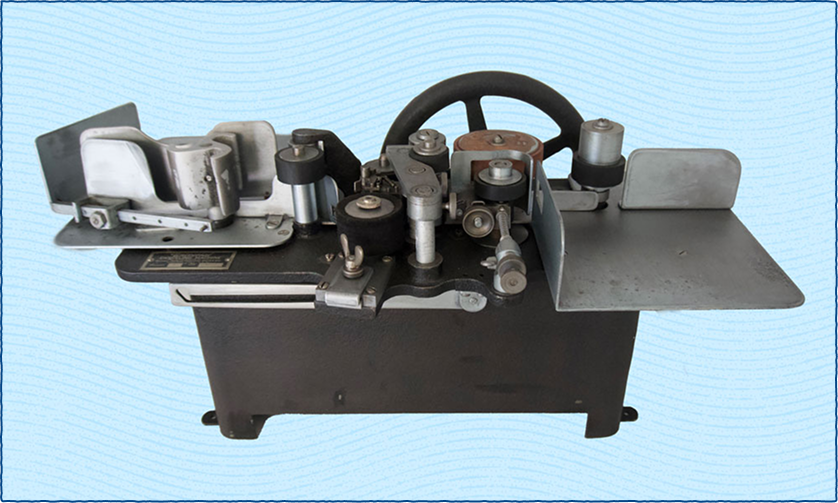
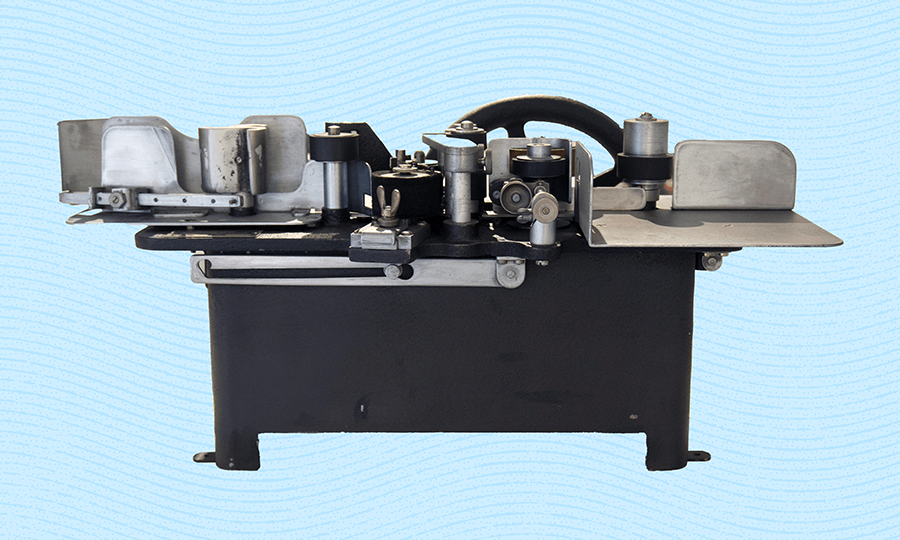
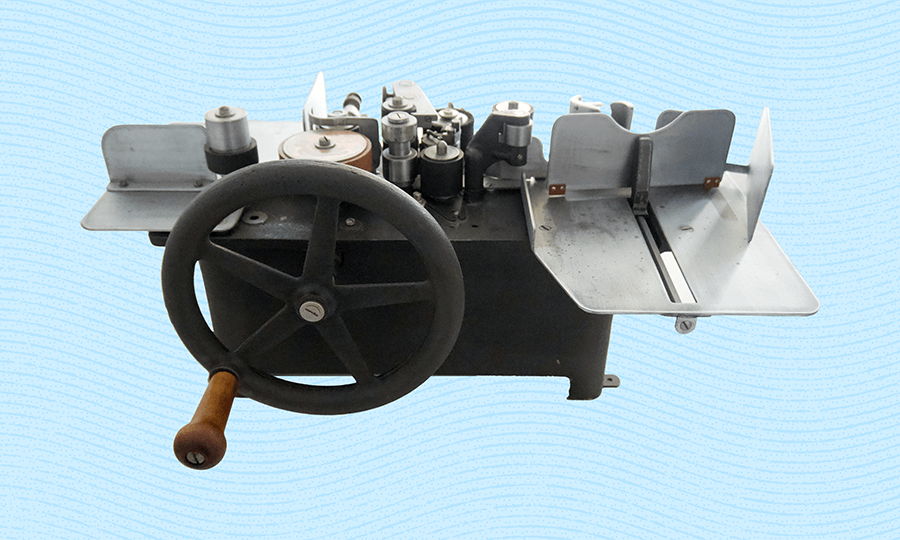
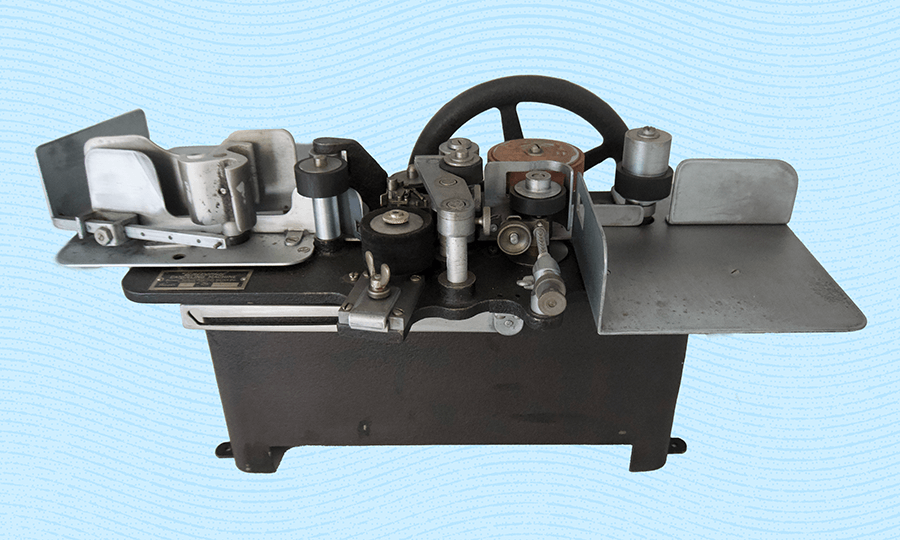
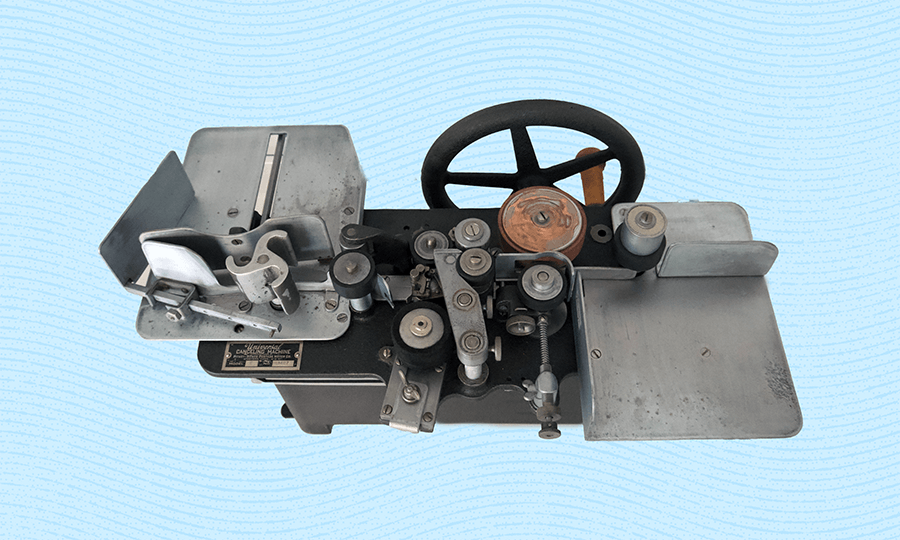
Cancelling Machine
First introduced in the 1970s, stamp cancelling machines were the first mechanisms used by the Post Office Department. The earliest models were hand-cranked like this one.
United States Postal Service
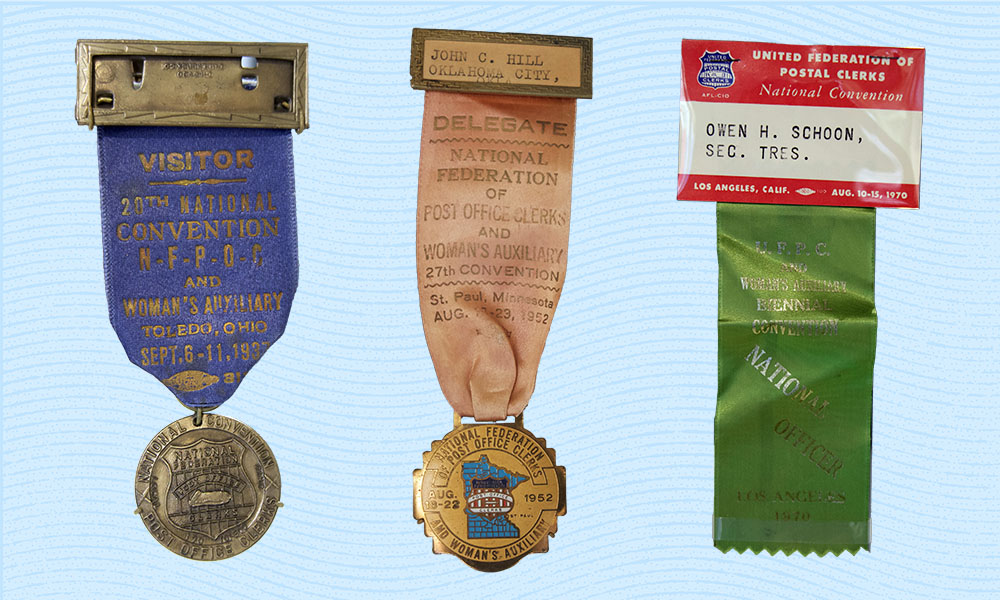
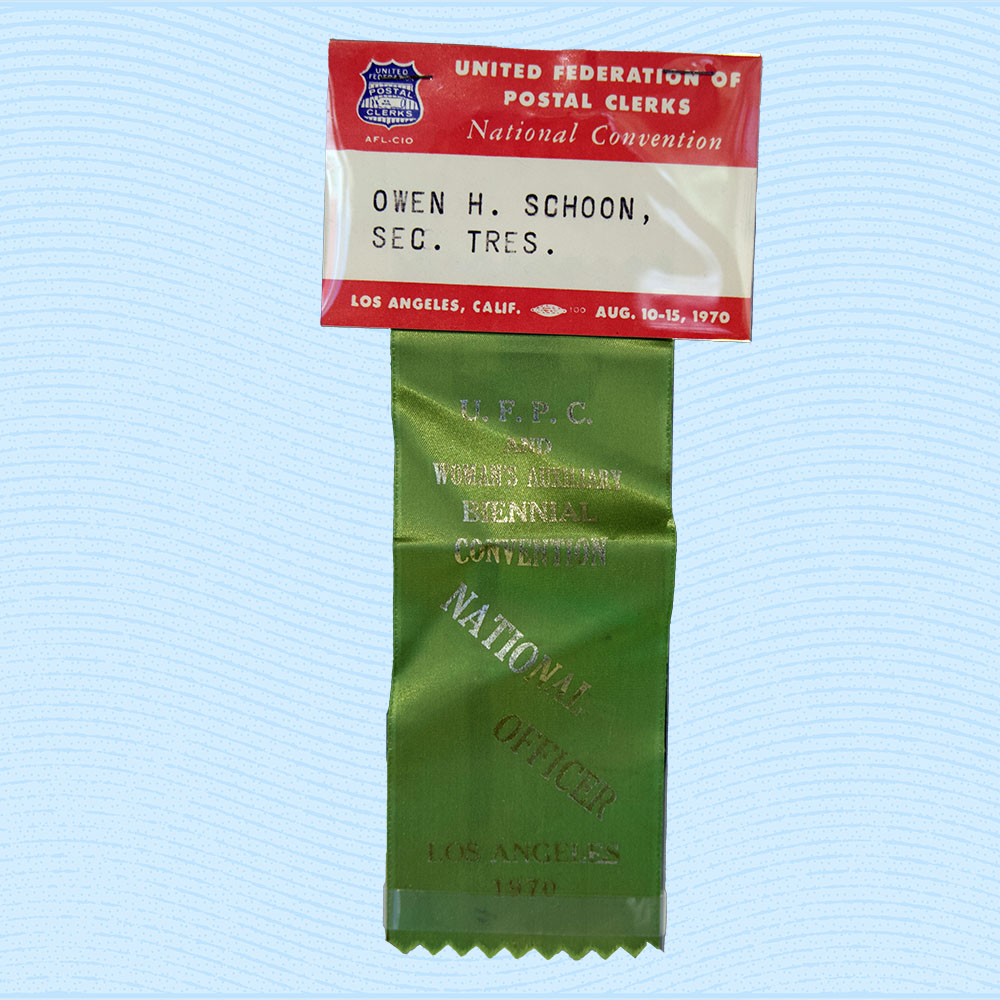
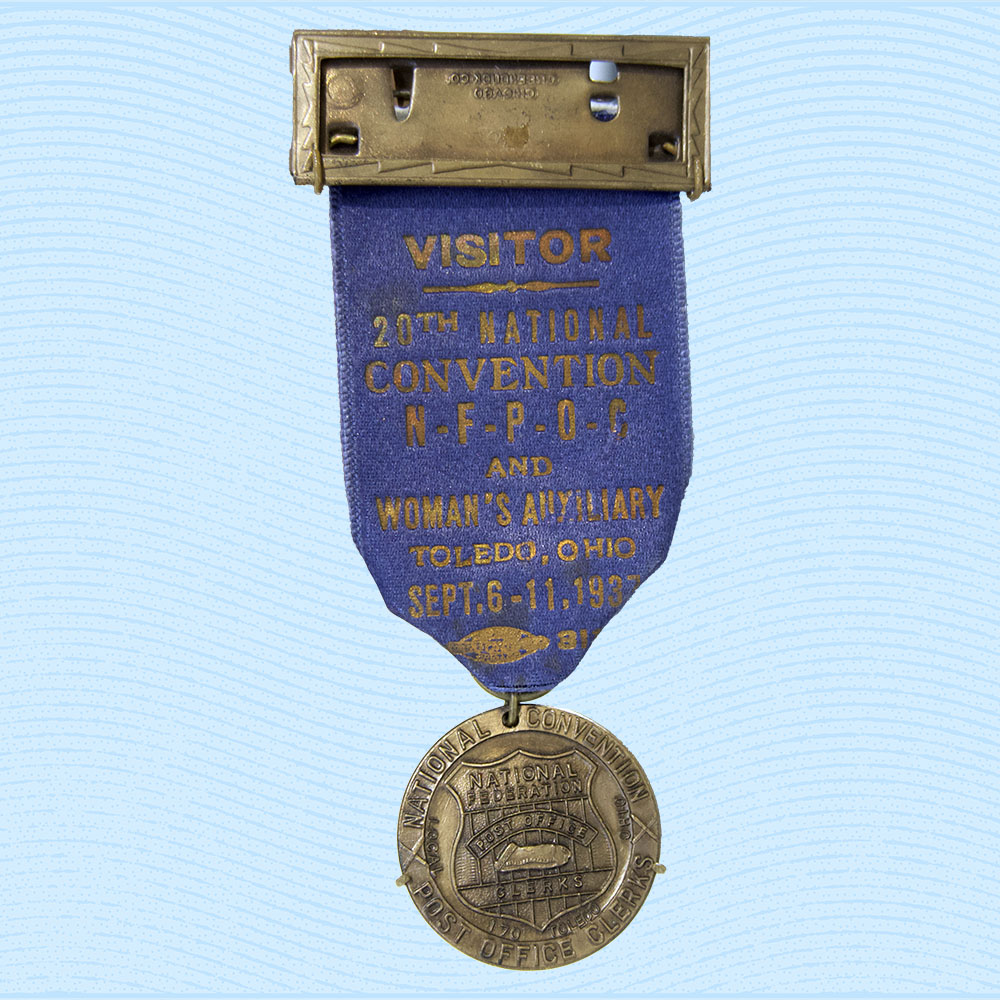
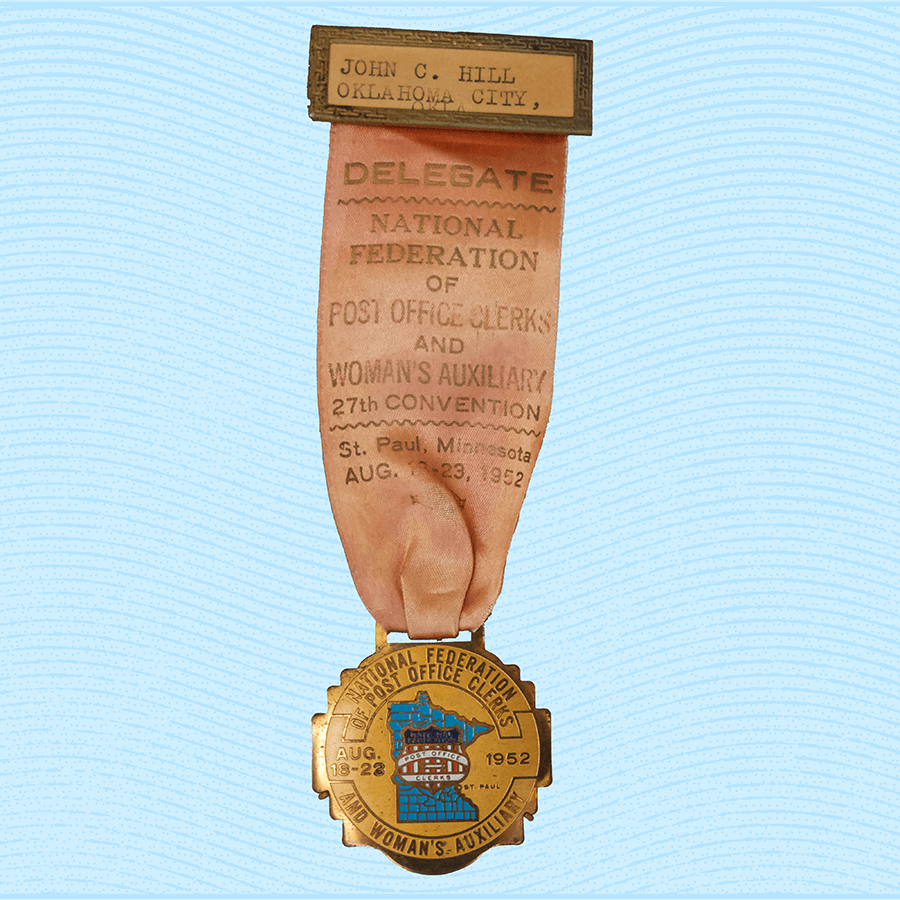
Convention Ribbons
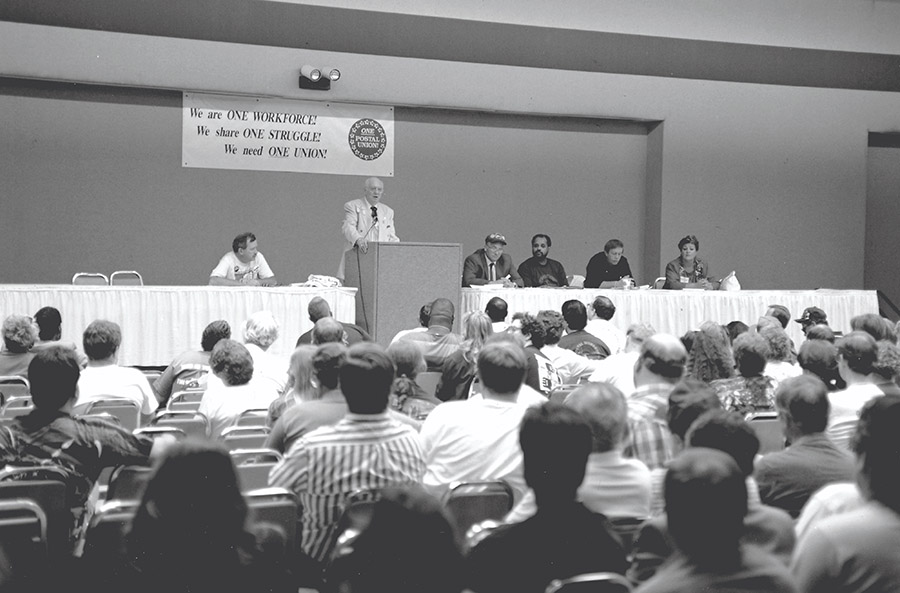
Conventions strengthen our unity and set the direction for our union based on the democratic decision-making of the delegates.
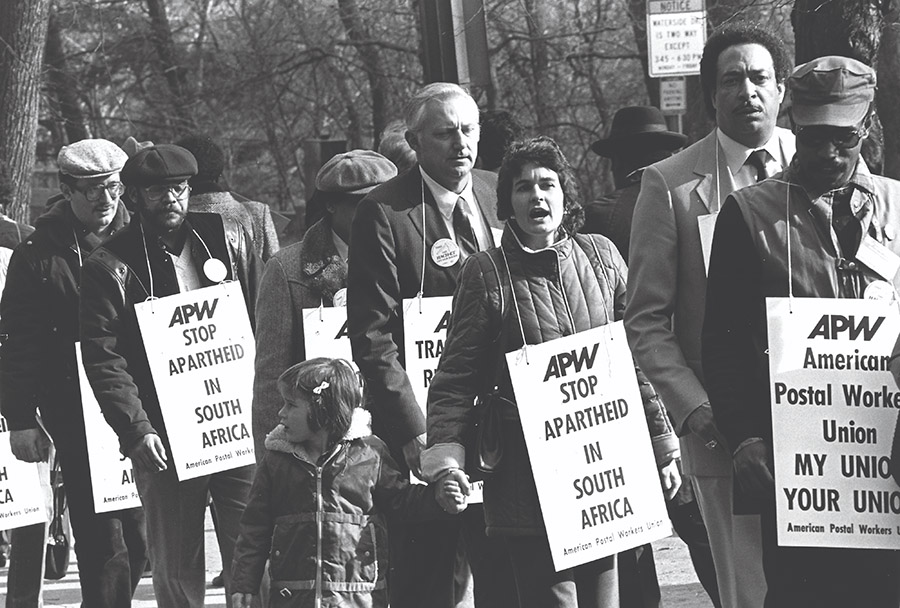
These convention ribbons from our predecessor unions remind us of the long struggle to defend postal workers and advance labor’s cause.
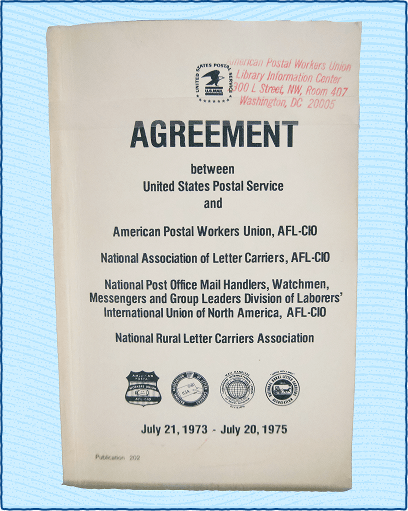
Agreement Booklet
Full collective bargaining rights were only won after the Great Postal Strike of 1970. Before then, agreements like this one restricted the unions to negotiating over a few leave provisions, work rules, and craft transfers.
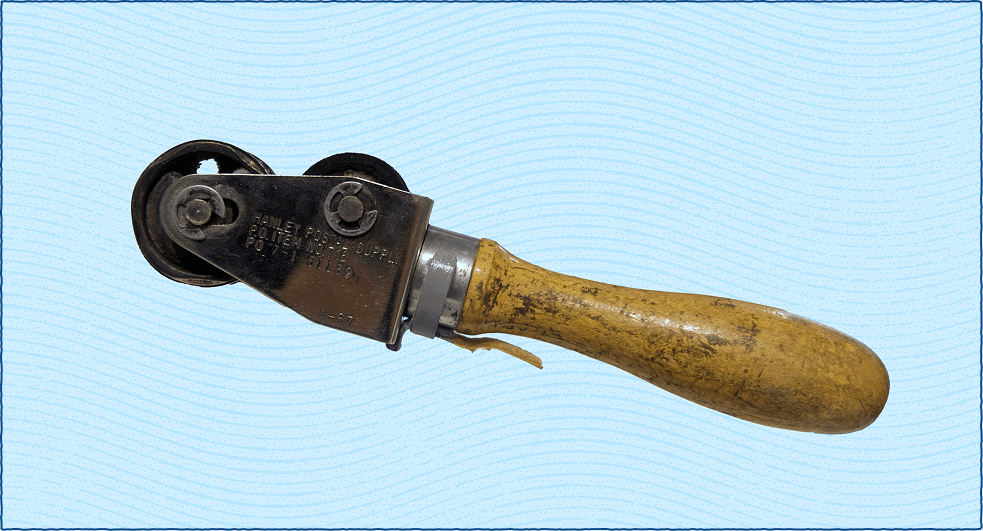
Tools of the Trade
Postal marking devices, such as this hand canceler, have been used by postal clerks for decades to postmark America’s mail.