
The Great Postal Strike
From "Collective Begging" to "Collective Bargaining"
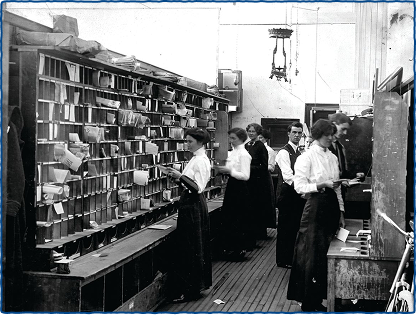
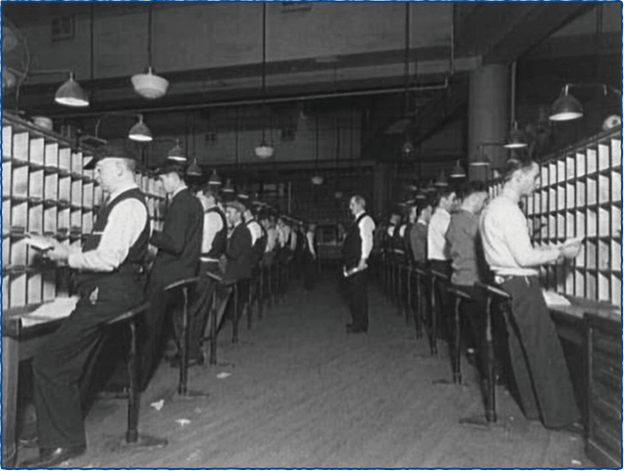
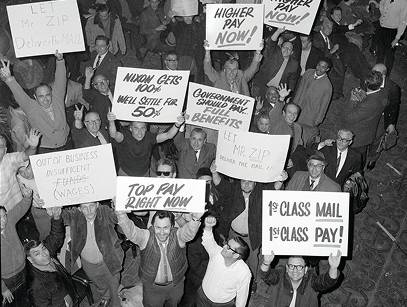
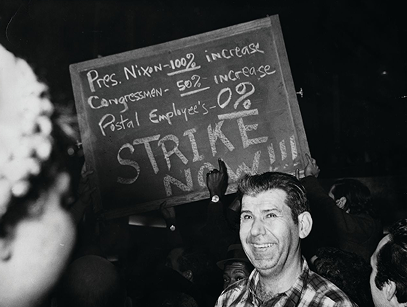
Until 1970, postal workers had to beg for every benefit they could get. By March 1970, postal workers had had enough and used their collective power to stop the mail in a historic and momentous strike.
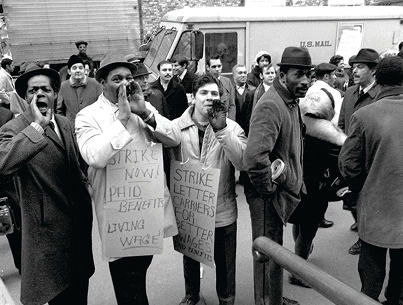
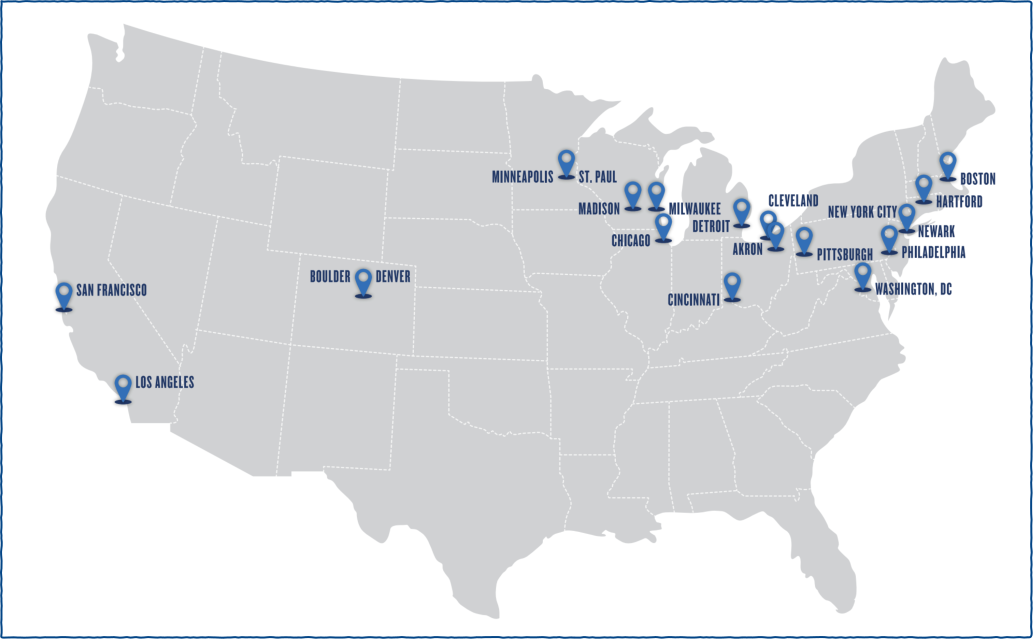
The 8-day illegal wildcat strike began in New York City and spread to involve over 210,000 postal workers in 33 cities.
The week-long stoppage proved victorious and resulted in collective bargaining, vastly improved wages, and other benefits that assured a better life for successive generations of postal workers.
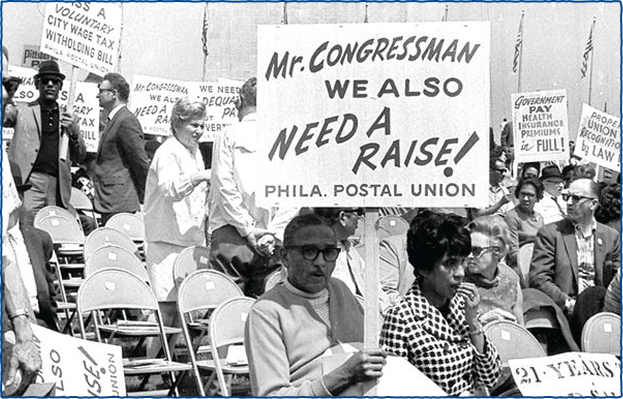
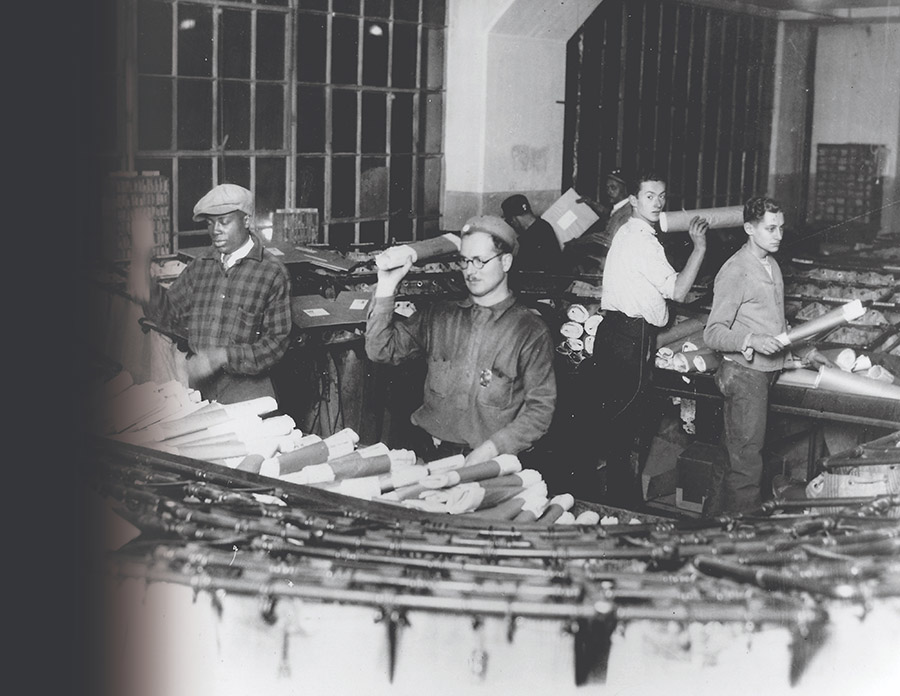
Meager pay led to worker discontent. In 1970 postal pay started at $6,200. After 21 years of service the top pay was capped at $8,400. Many postal workers worked extra jobs and qualified for public assistance.
Library for Congress
Leading Up to the Strike
Amid an era of rising worker militancy and the growing civil rights movement, postal workers led a number of slowdowns and sickouts throughout the 1960s, including notable events in Chicago and Newark.
Without collective bargaining rights, the workers’ recourse had been to plead to Congress for raises and better working conditions, hence the term “collective begging.”
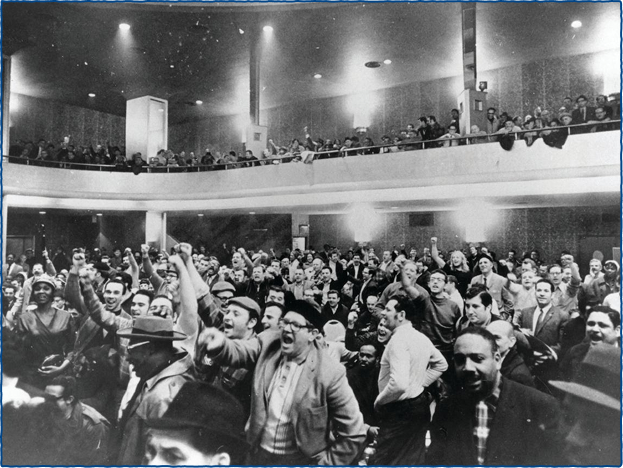
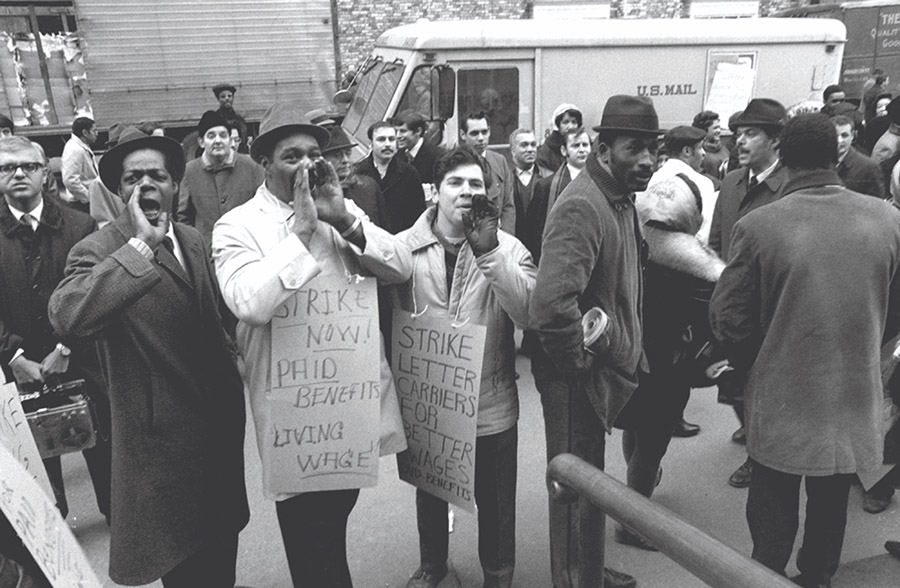
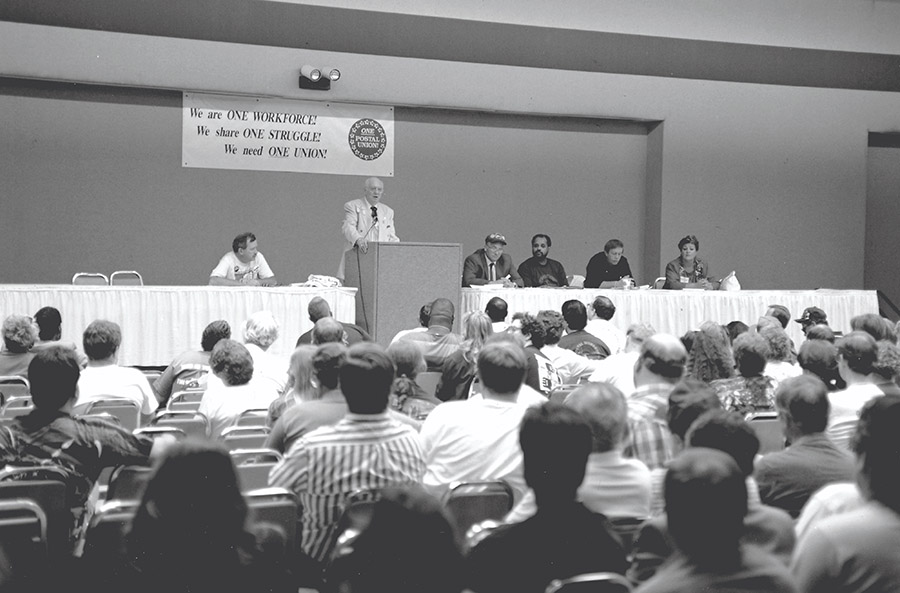
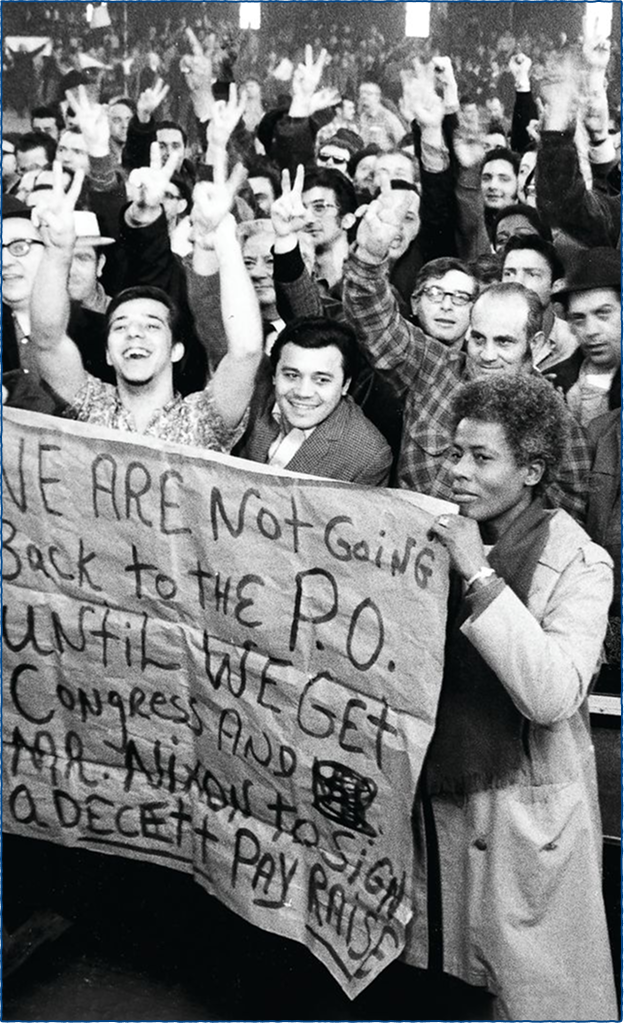
Striking postal workers at a union meeting in New York in 1970.
The Final Spark
On March 12, 1970, Congress voted the President a 100-percent pay raise, themselves a 41-percent pay raise, and offered postal workers a 5-percent pay raise after years of stagnant wage increases.
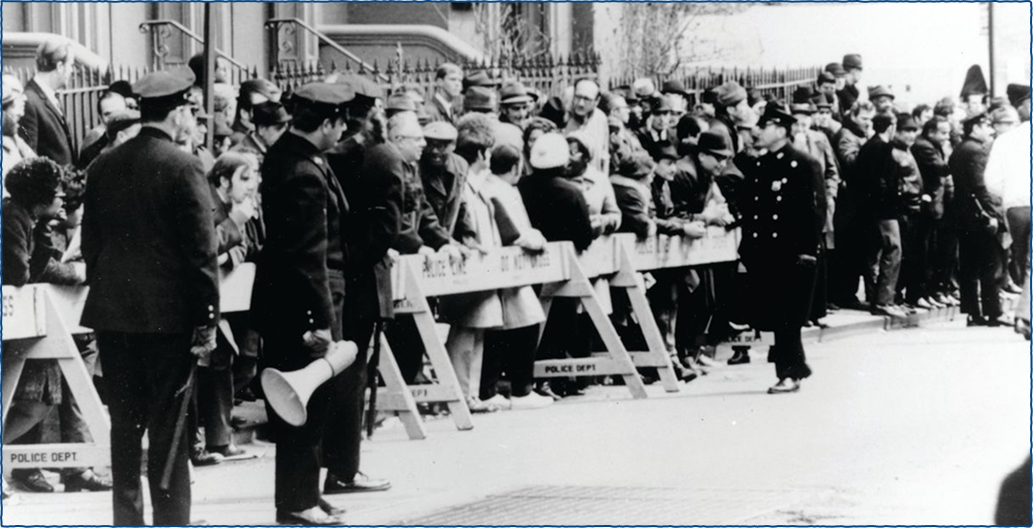
Workers’ outrage, combined with the frustration of pent-up grievances, spread like a wildfire. Irate letter carriers of New York City Branch 36 voted to strike, and set up picket lines. Manhattan/Bronx Nation Postal Union president Moe Biller advised that good union members do not cross picket lines – and the strike was on.

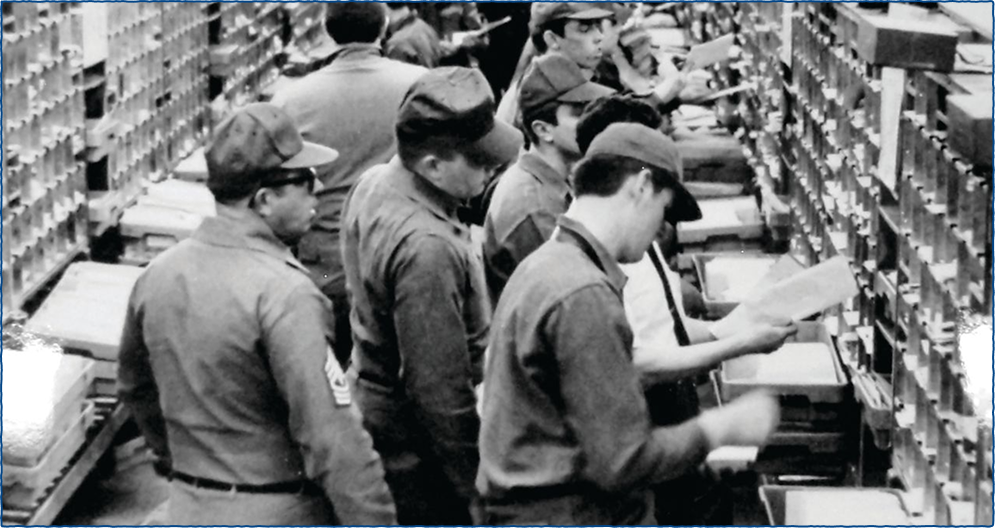
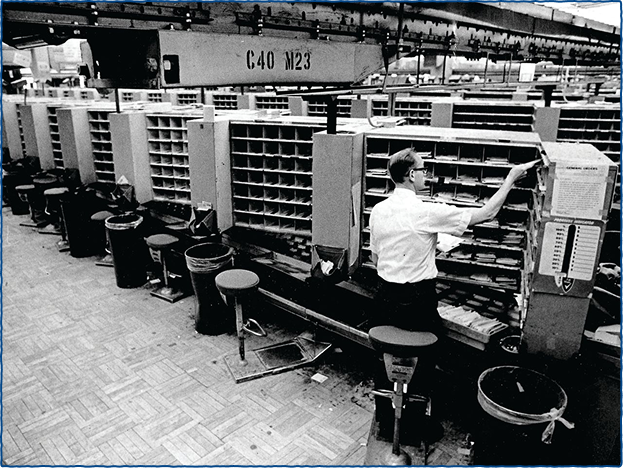
A lone supervisor in Chicago attempted in vain to do what typically was done by 14 workers. Yet, his sorted mail had nowhere to go.
The IMPACT
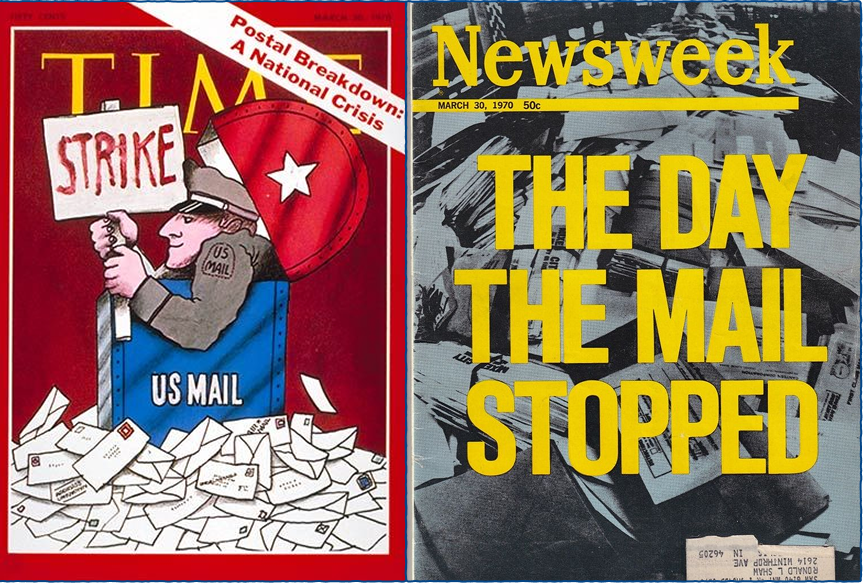
The strike was front page news, bringing attention to the plight of postal workers. Time Magazine reported that mail “began piling up by the ton.”
The movement of letters, business mail, and financial transactions ground to a halt. Wall Street – the center of finance capital – stood still.
The Outcome
The strike was victorious. Full collective bargaining rights, including over wages and benefits, were won. The strike led to the first Collective Bargaining Agreement negotiated with all the postal unions and postal management.
The number of years to reach top pay step was compressed from 21 years to eight. Congress approved a retroactive 6-percent wage increase with another 8-percent in August of the same year.
The Postal Reorganization Act of 1970
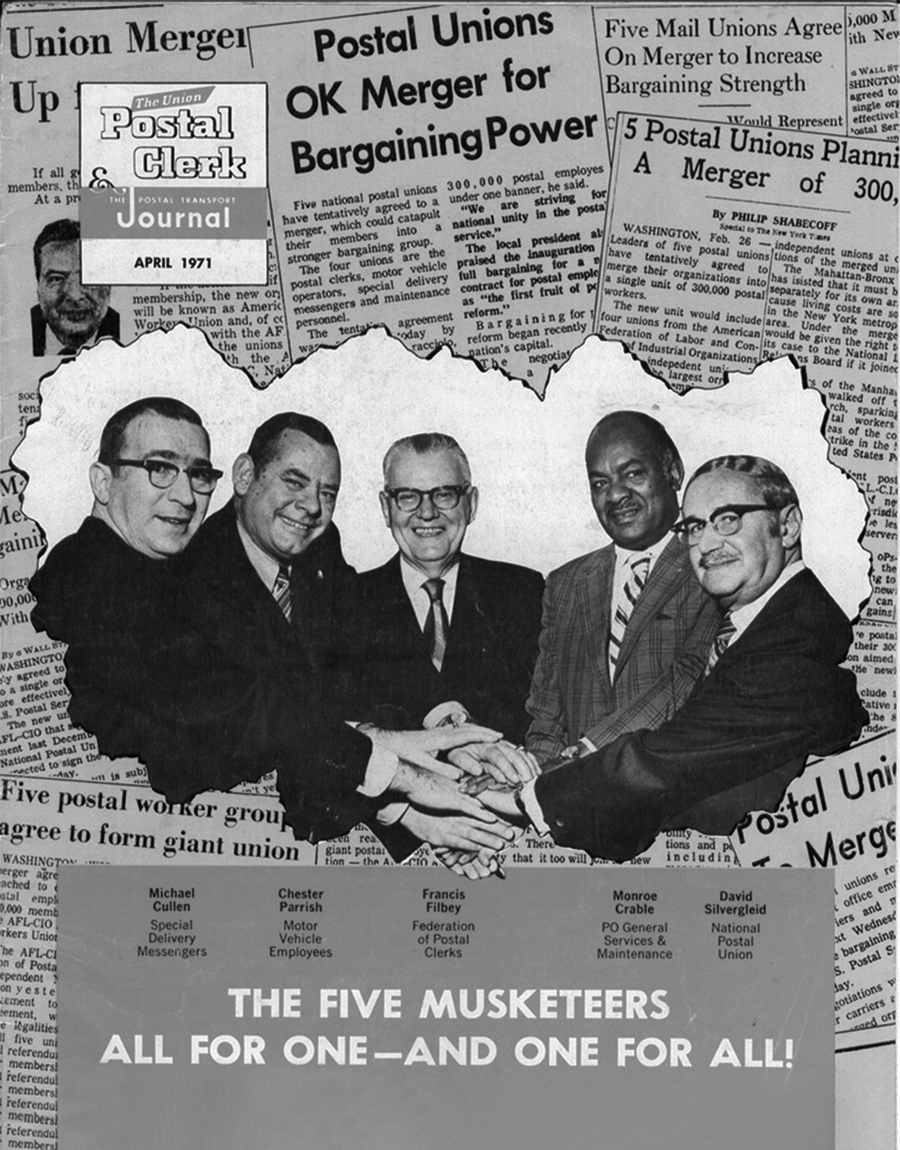
The strike led to the Postal Reorganization Act of 1970 (PRA). The PRA gave full collective bargaining rights to the postal unions and eliminated congressional meddling in postal affairs.
However, it also created a “business model” for the USPS, requiring it to break even each year. That “business model” became outdated with the advent of the internet, e-commerce, and reduced mail volumes, and has led to financial challenges and sacrifices in quality service.
The Postal Reorganization Act also denied postal workers the “legal” right to strike and established a “comparability in wages” criterion, comparing postal pay to similar work in the private sector. Postal management has used this provision in negotiations and interest arbitration to try to reduce postal worker wages.