Formation of APWU
The Merger
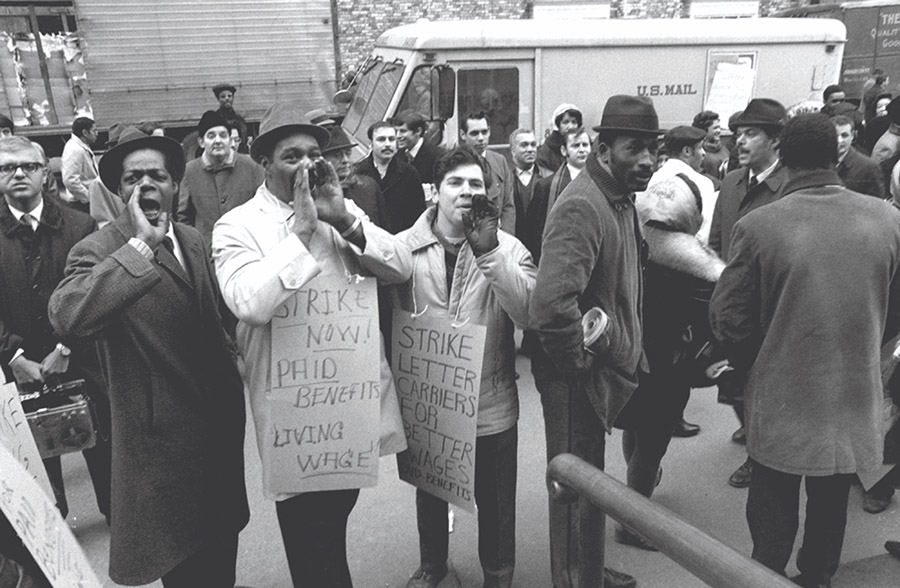
With the advent of true collective bargaining as a product of the 1970 Great Postal Strike, the unions faced new challenges: How to effectively negotiate directly with the U.S. Postal Service management over wages and benefits, with nine separate postal unions. Building unity and power became the order of the day.
One July 1, 1971, five postal unions put aside their craft differences and answered the call.
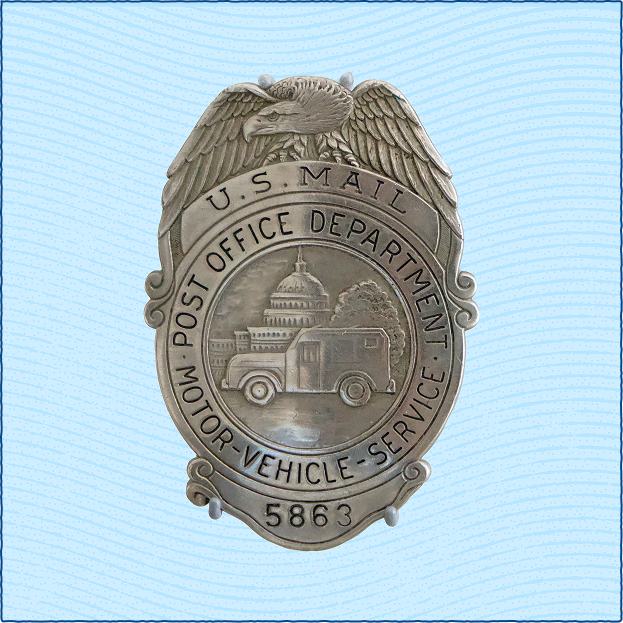
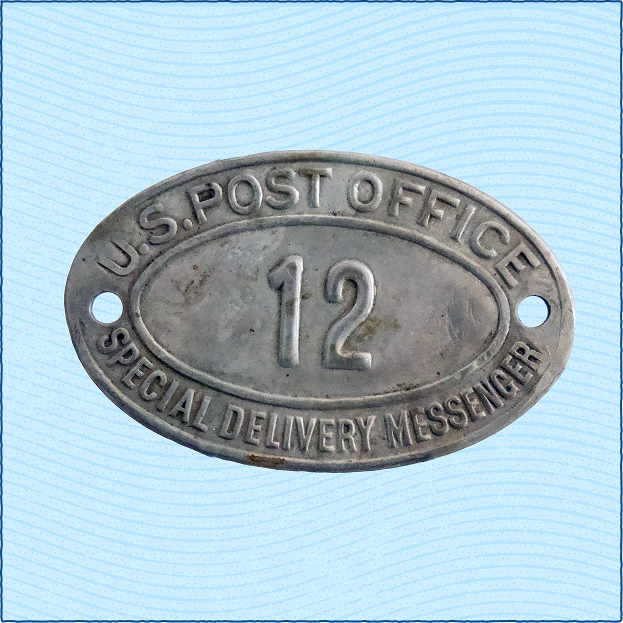
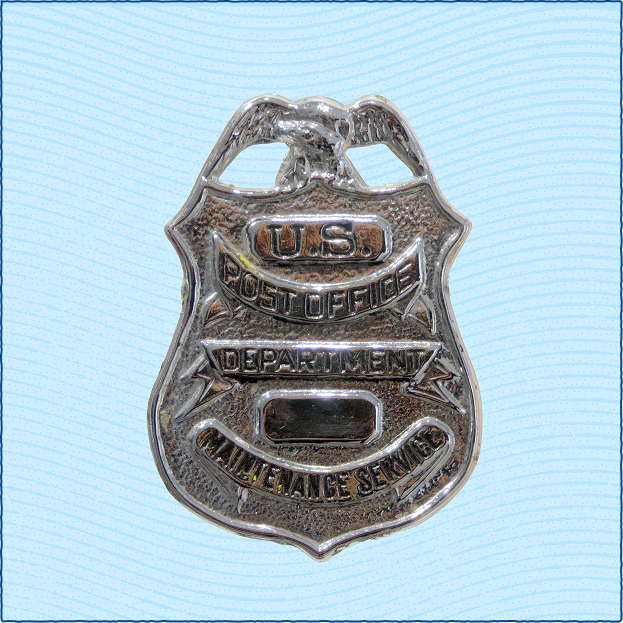
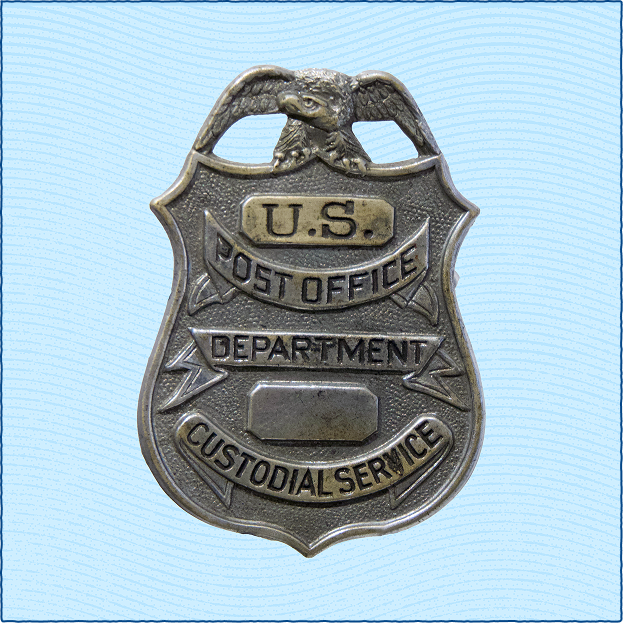
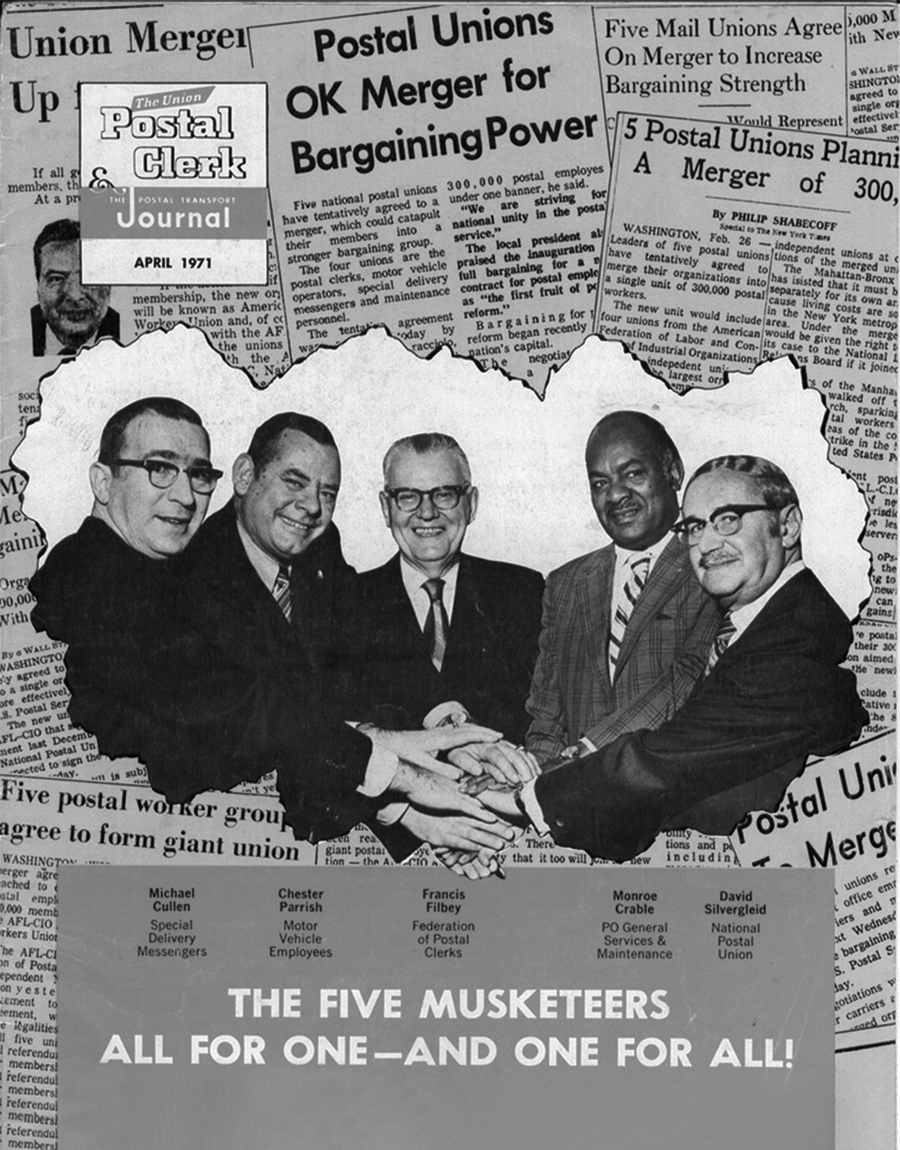
The United Federation of Postal Clerks, the National Postal Union, the National Association of Post Office and General Service Maintenance Employees, the National Federation of Motor Vehicle Employees and the National Association of Special Delivery Messengers merged into a new stronger union, the American Postal Workers Union.
The merger was overwhelmingly approved by a mail referendum sent to every member of all the unions.
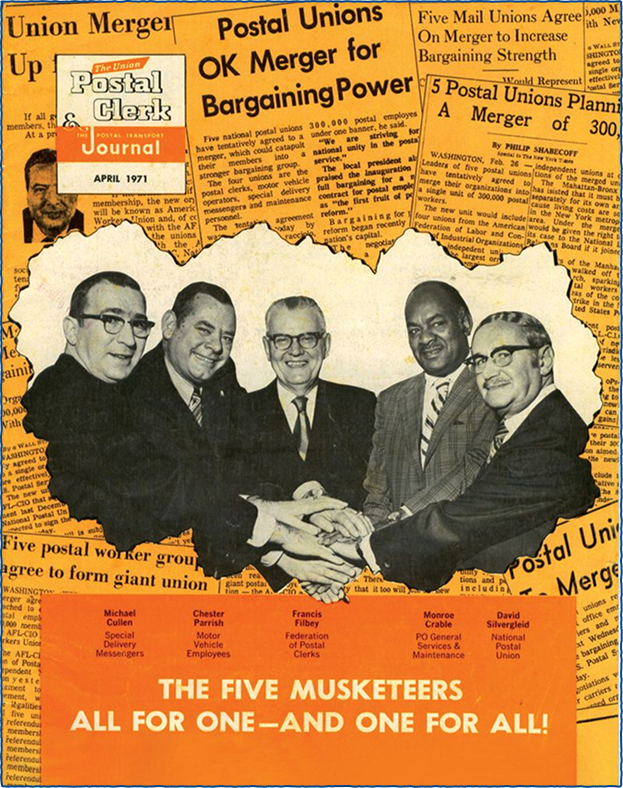
All for one - and one for all!
The formation of the American Postal Workers Union from five postal unions created an industrial-like union – representing multiple job classifications in a single union. The merger proposal was presented to the membership of the five unions by mail referendum vote, and the response was overwhelmingly in favor of unifying.
While the goal of unifying all the postal unions into one powerful industrial union is still unfinished, the merger of five postal unions into one American Postal Workers Union was a giant step forward. Those visionary leaders of 50 years ago put aside their differences and crafted distinctions for the good of all postal workers.
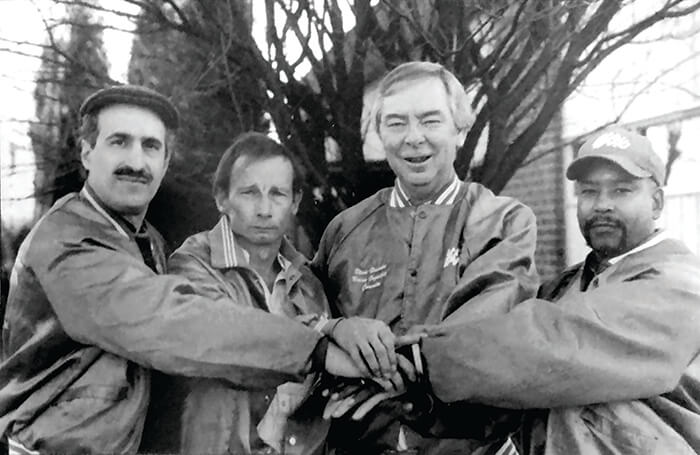
The leaders of all five of the founding unions became top leaders of the new union.
Francis S. Filbey, President of the former United Federation of Postal Clerks, was chosen to serve as the first National President (then General President) of the APWU. David Silvergleid, President of the former National
Postal Union, was designated as the APWU’s first General Executive Vice President. Monroe Crable became the first Maintenance Craft Director, Chester Parrish, the first Motor Vehicle Craft Director, and Michael Cullen, the first Special Delivery Messenger Craft Director.
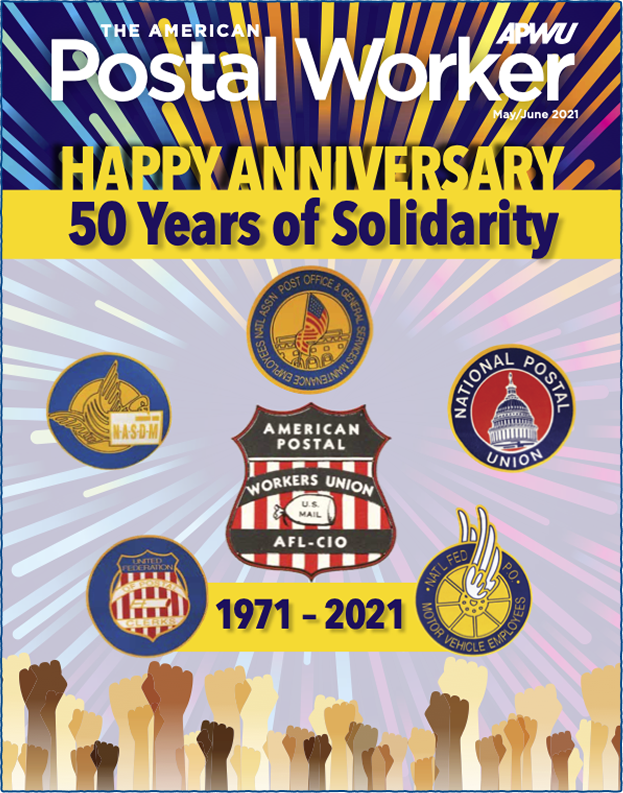
50 years of solidarity
The merger represented the formation of one industrial union, representing multiple job classifications. While the goal of unifying all postal unions into one single powerhouse has not yet been fully achieved, the merger of these five unions was a giant step forward in building the unity and power of postal workers.
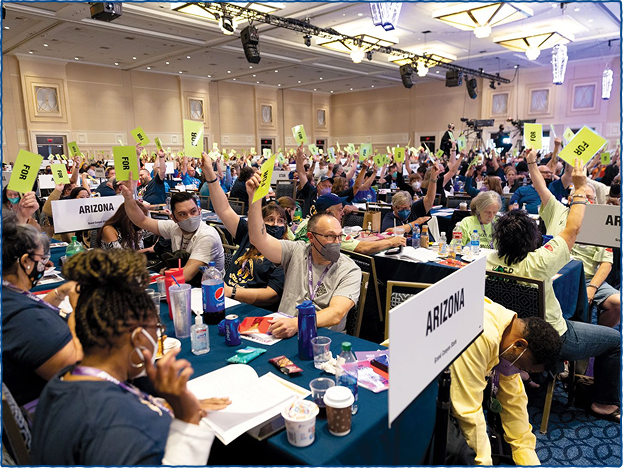
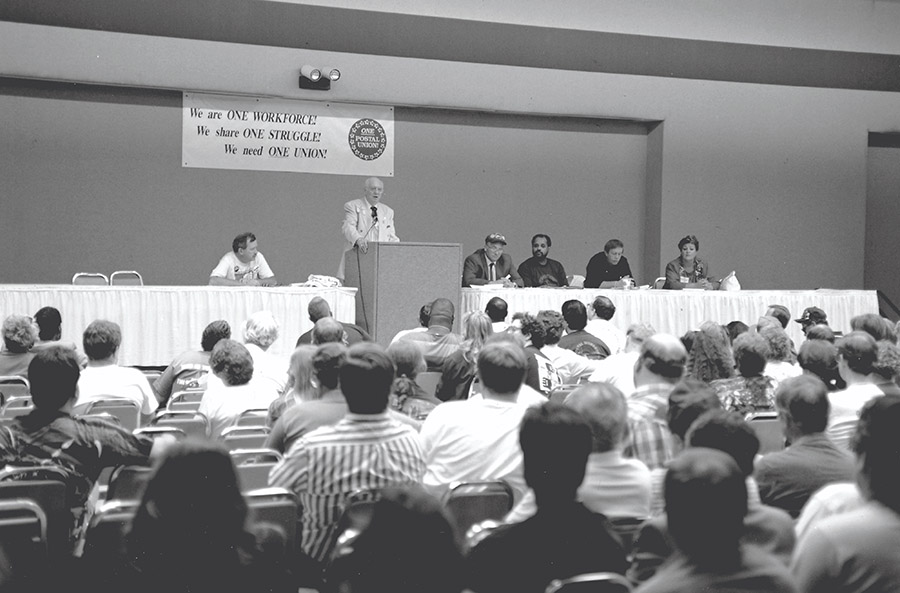
APWU members cast votes at a national convention. The NPU’s program of democratic unionism was reflected in the founding APWU Constitution.
Democratic Unionism
In its first Constitution, the APWU adopted many of the progressive and militant principles advocated and fought for by the National Postal Union.
There was a strong membership bill of rights, and the union was one of the few in the United States to establish direct member election of national officers with “one person, one vote.”
These same democratic principles applied to the elections of officers in local unions. State organizations were established to represent “Members at Large” in areas where there was no local.
National Conventions, the highest authority of the union, were set up to be held every two years. Conventions provide opportunities for locals to promote resolutions and engage in full and open debate, with roll call votes based upon proportional representation.
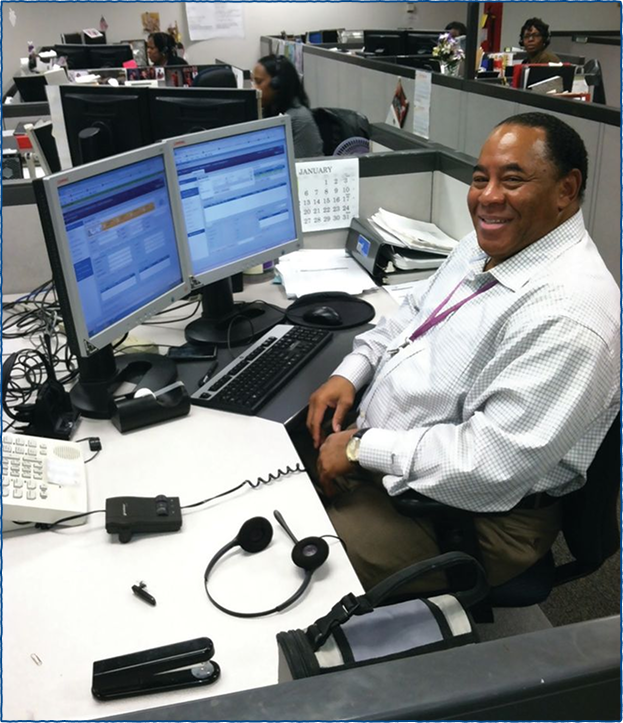
Creation of the Support Services Division
Following the Great Postal Strike when most postal workers gained full collective bargaining rights through their unions, there remained significant groups of postal employees who did not.
The answer for workers in the non-union Postal Data Centers, Mail Equipment Shops, Material Distribution Centers, and other facilities was to engage in successful union organizing drives and vote through the NLRB process to join the APWU. These workers became the new Support Services Division.